 Ghatkopar (East), Mumbai)


Home > Gastroenterology >Colorectal Cancer
Colorectal Cancer
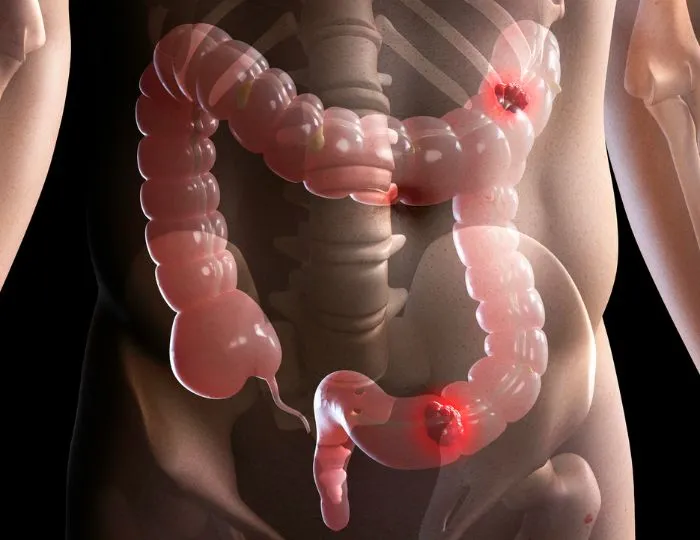
Colorectal cancer - cancer of the colon and rectum - is the third most common cancer worldwide and one of the most preventable and treatable cancers when detected early.
In India, the incidence is rising significantly with urbanisation, dietary westernisation, and increasing longevity - and younger age of onset compared with Western populations means more patients in their 30s and 40s are being diagnosed.
At Shree Hospitals Ghatkopar East, we provide the complete colorectal cancer pathway: colonoscopic screening and polypectomy to prevent cancer from developing, diagnostic colonoscopy with biopsy and staging CT for confirmed malignancy, laparoscopic surgical resection, coordination of chemotherapy and radiotherapy for advanced disease, and structured surveillance after treatment.
(24×7 Emergency Care)
Our Approach
(24×7 Emergency Care)
Our Approach in Managing Colorectal Cancer
Colorectal cancer is prevented by colonoscopic polypectomy, cured in its early stages by surgery, and managed with combination chemotherapy, targeted therapy, and immunotherapy in advanced stages.
Our five-step approach at Shree Hospitals begins before cancer develops - with screening colonoscopy to detect and remove precancerous polyps - and extends through complete staging, surgical management, adjuvant therapy coordination, and lifelong surveillance after treatment.
Step 1 - Screening Colonoscopy and Polyp Detection
Over 95% of colorectal cancers develop from adenomatous polyps - benign precancerous growths on the bowel mucosa - through the adenoma-carcinoma sequence over 5–10 years.
Colonoscopy detects these polyps and removes them by polypectomy before they transform into invasive cancer. This is the definitive preventive strategy: the one intervention that breaks the cancer development sequence before cancer begins.
We recommend colonoscopy screening from age 45 for average-risk individuals (no symptoms, no family history); from age 40 or 10 years before the youngest affected first-degree relative's age of diagnosis for patients with a family history of CRC; and from diagnosis of IBD onset for long-standing extensive UC patients.
Lynch syndrome - the most common hereditary CRC syndrome, caused by germline mutations in DNA mismatch repair genes (MLH1, MSH2, MSH6, PMS2) - requires colonoscopy every 1–2 years from age 20–25.
Step 2 - Diagnostic Workup and Staging
Confirmed colorectal cancer on biopsy is staged before treatment to determine operability and systemic spread. TNM staging classifies by: T (tumour - T1 invasion through mucosa/submucosa to T4 invasion through bowel wall into adjacent organs), N (lymph node involvement - N0 negative to N2 four or more positive regional lymph nodes), and M (metastasis - M0 no distant disease, M1 liver, lung, peritoneal, or distant lymph node metastasis).
The staging workup at Shree Hospitals includes: contrast-enhanced CT chest, abdomen, and pelvis for systemic staging; MRI pelvis for rectal cancer local staging (mesorectal fascia clearance, relationship to sphincters, lymph node assessment); CEA (carcinoembryonic antigen) as a baseline prognostic marker and post-treatment surveillance tool; and MSI/MMR status testing (mismatch repair protein immunohistochemistry on the biopsy) - because MMR-deficient (MSI-high) CRC predicts response to immunotherapy and identifies Lynch syndrome candidates for genetic counselling.
Step 3 - Surgical Resection
Surgery is the curative modality for non-metastatic colorectal cancer. Laparoscopic right hemicolectomy (right colon cancers), left hemicolectomy or sigmoid colectomy (left colon and sigmoid), and laparoscopic low anterior resection (LAR) with total mesorectal excision (TME) for rectal cancer are performed at Shree Hospitals with equivalent oncological outcomes to open surgery and significantly faster recovery.
For very low rectal cancers involving the anal sphincter, abdominoperineal resection (APR) with permanent sigmoid colostomy is required when sphincter-sparing surgery is not anatomically feasible.
Laparoscopic surgery allows 3–4-day hospital stays, earlier return to normal activity, and lower wound complication rates. Neoadjuvant chemoradiotherapy - radiotherapy combined with capecitabine before surgery - is the standard of care for T3/T4 or node-positive rectal cancers to downstage the tumour, reduce local recurrence, and maximise the probability of sphincter preservation.
Step 4 - Adjuvant and Palliative Chemotherapy
Stage III colon cancer (node-positive) and selected high-risk Stage II patients receive adjuvant chemotherapy after surgery to eliminate micrometastatic disease and reduce recurrence risk.
Standard adjuvant regimen: CAPOX (capecitabine + oxaliplatin, 8 cycles over 6 months) or FOLFOX (infusional 5-FU + leucovorin + oxaliplatin, 12 cycles over 6 months).
Stage IV disease (metastatic CRC) is treated with systemic chemotherapy - FOLFOX or FOLFIRI (5-FU + leucovorin + irinotecan) - combined with targeted therapy: bevacizumab (anti-VEGF, targeting tumour angiogenesis) or anti-EGFR agents (cetuximab, panitumumab) exclusively in RAS wild-type tumours.
MMR-deficient/MSI-high metastatic CRC responds dramatically to immune checkpoint inhibitors - pembrolizumab (anti-PD-1) produces durable responses that conventional chemotherapy cannot achieve in this molecular subtype.
Step 5 - Surveillance After Treatment
After curative-intent colorectal cancer treatment, structured surveillance is essential for early detection of recurrence and metachronous polyp development.
We follow international guidelines: CEA every 3–6 months for the first 3 years then 6-monthly to 5 years; CT chest, abdomen, pelvis every 6–12 months for 3 years; colonoscopy at 1 year post-surgery (to detect missed synchronous lesions or anastomotic recurrence), then every 3–5 years if normal.
Liver metastases detected on surveillance CT that were not present at initial staging are assessed for resectability - hepatic metastatectomy in patients with isolated, resectable liver metastases achieves 30–40% five-year survival, converting Stage IV disease to potentially curable with surgery.
Happy Patients & Their Case Stories
"I had no symptoms at all. I went for a colonoscopy because my father had colon cancer. They found two large polyps and removed them on the spot. The biopsy showed one had high-grade dysplasia - it would have become cancer. Shree Hospitals saved my life before I even knew I was at risk."
Mr. Vikas M.
"My Stage II colon cancer was removed laparoscopically at Shree Hospitals. I was home in 4 days. My 1-year colonoscopy was clear. I feel completely well."
Mr. Rekha S.
How To Identify Colorectal Cancer?
Early colorectal cancer characteristically causes no symptoms - which is precisely why colonoscopic screening in average and high-risk populations is the most powerful strategy for improving outcomes.
Most Stage I and Stage II cancers are detected either by screening or incidentally. As the tumour grows, symptoms begin to emerge - but by the time symptoms are sufficiently prominent to prompt a GP visit, many cancers have progressed to Stage III or beyond.
The four symptoms that most commonly prompt colorectal cancer investigation are: rectal bleeding (bright red or dark blood mixed with or coating stools), a change in bowel habits persisting for more than 4–6 weeks (particularly new-onset loose stools, increased frequency, or alternating constipation and diarrhoea in a patient with previously regular bowel function), iron-deficiency anaemia without another identified cause (indicating chronic slow blood loss from a right-sided tumour that may not produce visible rectal bleeding), and unexplained weight loss combined with reduced appetite. Right-sided colon cancers (caecum, ascending colon) tend to cause anaemia without visible rectal bleeding, abdominal mass in the right iliac fossa, and non-specific abdominal pain. Left-sided and sigmoid colon cancers more commonly cause change in stool calibre (ribbon stools), rectal bleeding, and obstructive symptoms as the tumour narrows the bowel lumen.
High-Risk Groups Requiring Earlier and More Frequent Colonoscopy:
- First-degree relatives (parent, sibling, child) of CRC patients - especially if diagnosed below age 60
- Known or suspected Lynch syndrome (HNPCC): colonoscopy every 1–2 years from age 20–25
- Familial adenomatous polyposis (FAP): annual flexible sigmoidoscopy from age 10–12; prophylactic colectomy once polyp burden is unmanageable
- Long-standing extensive ulcerative colitis (>8 years, pancolitis): annual surveillance colonoscopy with chromoendoscopy
- Prior colorectal adenoma: increased surveillance based on number, size, and histology of removed polyp
Important FAQs: Colorectal Cancer
At what age should I start colorectal cancer screening in India?
International guidelines recommend colonoscopy screening from age 45 for average-risk individuals - earlier than the previously recommended age of 50, based on evidence of rising CRC incidence in younger adults globally. In India, this change is particularly relevant given the documented younger age of CRC onset compared with Western populations. Higher-risk individuals require earlier screening: if you have a first-degree relative (parent or sibling) diagnosed with CRC below age 60, begin colonoscopy at age 40 or 10 years before your relative's diagnosis age (whichever is earlier). Known Lynch syndrome carriers begin colonoscopy at age 20–25. FAP carriers begin flexible sigmoidoscopy from age 10–12. Your risk category determines the appropriate screening start age and frequency.
Are polyps always cancerous?
Most colorectal polyps are not cancerous - but certain polyp types carry meaningful cancer risk and require removal. Adenomatous polyps (tubular adenoma, tubulovillous adenoma, and villous adenoma) are precancerous: they carry increasing malignant potential related to their size (polyps above 1 cm carry higher risk than smaller ones), histological type (villous architecture carries higher risk than tubular), and grade of dysplasia (high-grade dysplasia indicates imminent transformation). Hyperplastic polyps in the rectum and sigmoid are generally benign and do not require intensive surveillance. Serrated lesions - sessile serrated lesions (SSLs) - are increasingly recognised as a second pathway to CRC and require complete removal. All polyps removed at colonoscopy undergo histological assessment to determine surveillance interval recommendations.
What are the symptoms of colorectal cancer that I should never ignore?
Rectal bleeding, persistent change in bowel habit lasting more than 4–6 weeks, and iron-deficiency anaemia in the absence of another obvious cause are the three symptoms that mandate colonoscopy without delay. Additional symptoms requiring urgent investigation include: mucus in the stool, a sensation of incomplete evacuation after defaecation that is new and persistent, unexplained weight loss above 5 kg over 3–6 months, and abdominal bloating and pain in a patient with no previous history of bowel disorder. Rectal bleeding in a young person without haemorrhoids, or rectal bleeding that has changed in character or volume compared with a previous haemorrhoid history, always requires colonoscopy - it should never be attributed to haemorrhoids without investigation when there is any diagnostic uncertainty.
Is colorectal cancer hereditary?
Approximately 5–10% of colorectal cancers are hereditary - caused by a germline genetic mutation inherited from a parent. The two most important hereditary CRC syndromes are: Lynch syndrome (HNPCC), caused by mutations in DNA mismatch repair genes (MLH1, MSH2, MSH6, PMS2) - responsible for 3–5% of all CRC, causing early-onset cancer and a 40–80% lifetime risk; and familial adenomatous polyposis (FAP), caused by APC gene mutation - causing hundreds of colorectal polyps developing from adolescence with near-100% lifetime CRC risk without prophylactic colectomy. An additional 20–25% of CRC has a familial component - elevated risk without a single identifiable germline mutation, driven by shared genetics and lifestyle. Any patient with CRC below age 50, synchronous CRC, or a strong family history should be referred for clinical genetics assessment.
What is the role of chemotherapy in colorectal cancer?
Chemotherapy serves two roles in colorectal cancer management. Adjuvant chemotherapy - given after surgery for Stage III (node-positive) and selected high-risk Stage II CRC - kills micrometastatic tumour cells not visible on imaging and reduces recurrence risk by 20–25%. Standard regimens are CAPOX or FOLFOX for 6 months, started within 8 weeks of surgery. Palliative or systemic chemotherapy - given for Stage IV (metastatic) CRC - controls disease, shrinks tumour, relieves symptoms, and extends life without curative intent in the majority, but with the possibility of converting initially unresectable liver metastases to resectable disease after response to chemotherapy (conversion chemotherapy). Modern combination strategies using targeted therapy alongside chemotherapy significantly improve response rates and progression-free survival in Stage IV CRC.
Can colorectal cancer be treated without a colostomy bag?
The majority of colon cancer operations - and many rectal cancer operations - do not require a permanent stoma (colostomy bag). Right and left colon resections are routinely completed with primary anastomosis (reconnection of the bowel ends) without any stoma in elective cases. For rectal cancer, low anterior resection with TME anastomoses the bowel above the anus, avoiding a permanent stoma. A temporary defunctioning loop ileostomy - protecting the rectal anastomosis during healing - is reversed after 3–4 months. Only very low rectal cancers involving the sphincter complex, where the tumour cannot be removed without also resecting the anal sphincter muscles (abdominoperineal resection), require a permanent sigmoid colostomy. Neoadjuvant chemoradiotherapy that shrinks the tumour pre-oper
atively increases the proportion of low rectal cancers that can be managed with sphincter-sparing surgery at Shree Hospitals.
Treatments for Colorectal Cancer
Screening Colonoscopy & Polypectomy
At Shree Hospitals, colonoscopy is used for colorectal cancer screening and diagnosis, with high-definition imaging and NBI to detect abnormal tissue. Detected adenomatous polyps can often be removed during the same procedure using techniques such as cold snare polypectomy, EMR, or ESD, helping prevent colorectal cancer.
Complete CRC Staging - CT, MRI & Molecular Profiling
After colorectal cancer is confirmed, CT of the chest, abdomen, and pelvis helps assess tumour spread and metastasis. MRI pelvis provides detailed staging for rectal cancer. Tumour testing for RAS/RAF, MSI/MMR, and HER2 helps guide targeted treatment and identify Lynch syndrome risk. Results are reviewed by a multidisciplinary team before treatment begins.
Laparoscopic Colorectal Cancer Surgery
At Shree Hospitals, laparoscopic colorectal surgery offers similar cancer outcomes to open surgery, with less pain, fewer wound complications, and faster recovery. For rectal cancer, total mesorectal excision (TME) is used to reduce local recurrence. A temporary or permanent stoma may be needed when bowel reconnection is not safe, with appropriate stoma support provided.
Adjuvant Chemotherapy, Targeted Therapy & Immunotherapy
Stage III colorectal cancer may require 6 months of CAPOX or FOLFOX chemotherapy to reduce recurrence risk. Metastatic CRC is treated with chemotherapy combined with targeted therapy or immunotherapy, depending on tumour markers. Patients with liver-only metastases may be assessed for surgical removal after appropriate treatment.
Top Colorectal Cancer Specialists in Mumbai

Dr. Keyur A. Sheth
Gastroenterologist, Hepatologist & Advanced GI

Dr. Sandeep Kirit Davavala
Gastroenterology, Therapeutic Endoscopy
Board-certified Surgeons and Specialists with an average of 15+ years of experience in their areas of expertise.

For Appointment/Query
1800-268-4000

Tele consultation/2nd Opinion
Schedule Consultation

News & Updates
Shree Hospitals Expands Paediatric Surgical Care With Latest Technology
Shree Hospitals Installs a Robotic-Assisted Surgical System for Better Patient Care


