 Ghatkopar (East), Mumbai)


TAVR/TAVI Treatment
in Mumbai, India
A minimally invasive procedure to replace a narrowed aortic valve, helping eligible
patients improve blood flow through the heart and recover without open-heart surgery.

Care and Treatment
Meet the Specialists
For Any Queries/Emergency
CENTRE OF EXCELLENCE IN STRUCTURAL HEART & TAVR/TAVI
TAVR/TAVI Treatment & Structural Heart Care in Mumbai
If you or a family member has a narrowed heart valve, a specialist can assess the condition and recommend the right treatment.
At Shree Hospitals’ TAVR/TAVI Clinic in Mumbai, our heart specialist evaluates your condition and explains suitable options, including TAVR/TAVI (replacing the valve through a blood vessel using a thin tube), open-heart valve replacement surgery, or other treatments based on your needs.
What is TAVI?
Transcatheter aortic valve implantation, or TAVI, is a procedure that places a replacement valve inside a narrowed aortic valve using a thin tube called a catheter. TAVR means transcatheter aortic valve replacement and refers to the same treatment. The catheter is commonly introduced through a blood vessel in the groin. Your team assesses the safest suitable approach for you.
What condition does TAVI treat?
TAVI is commonly used to treat severe aortic stenosis. This means the valve that allows blood to leave the heart has become narrowed. Some people notice breathlessness, chest discomfort, dizziness or reduced ability to manage daily activities. Symptoms can have several causes, so a medical assessment and heart imaging are important.
Who may be considered for TAVI?
The right treatment depends on your valve condition, symptoms, overall health and personal preferences. TAVI, open-heart surgery or other care may be recommended after a specialist assessment. Not everyone needs immediate valve replacement, and TAVI may not suit everyone. Your doctor will explain the options and any tests needed..
We Specialise In Structural Heart Interventions & Valve Therapies
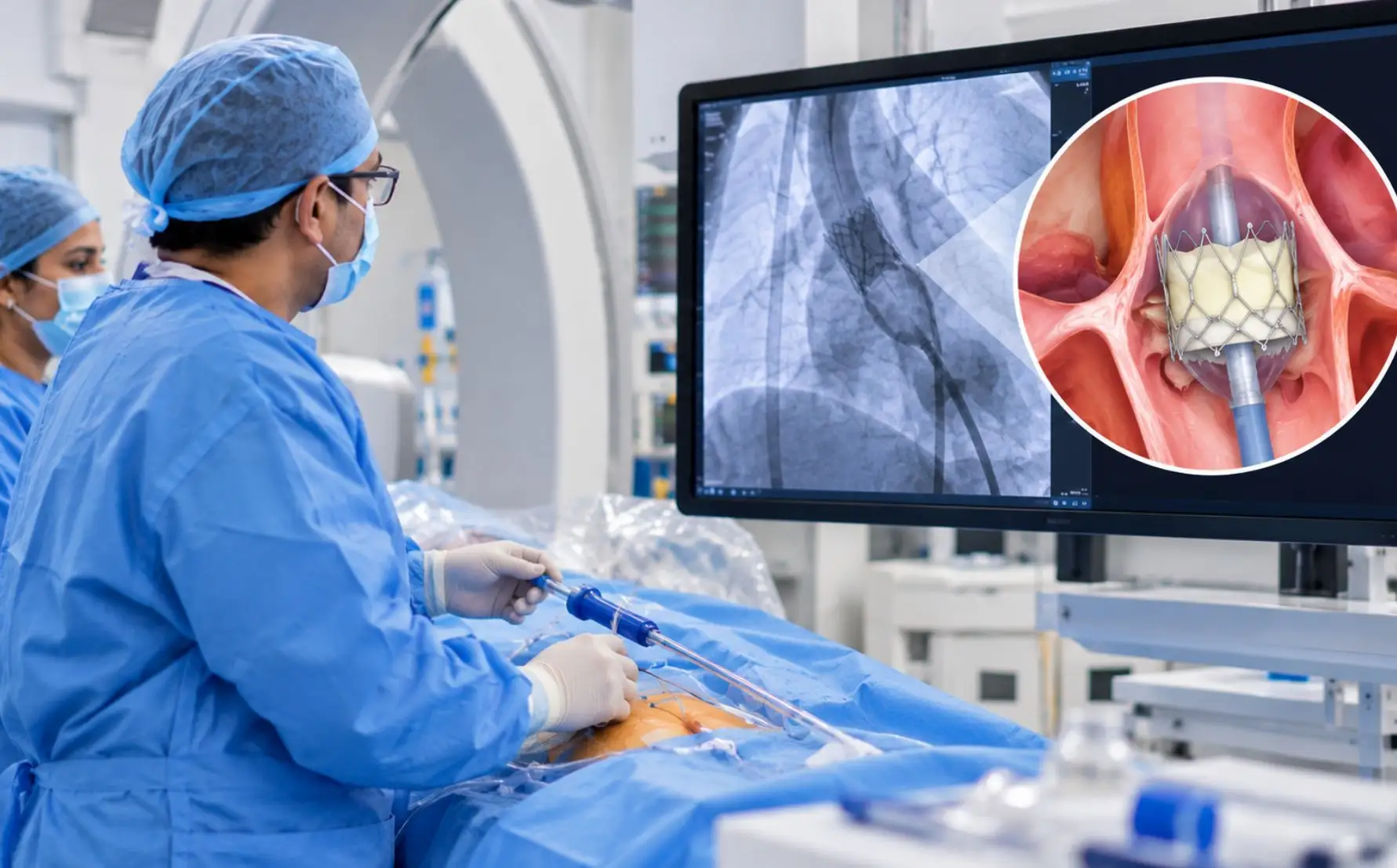
Transcatheter Aortic Valve Replacement (TAVR / TAVI)
A minimally invasive procedure designed to replace a narrowed aortic valve without open-heart surgery, offering patients faster recovery, minimal discomfort, and outstanding long-term valve performance.
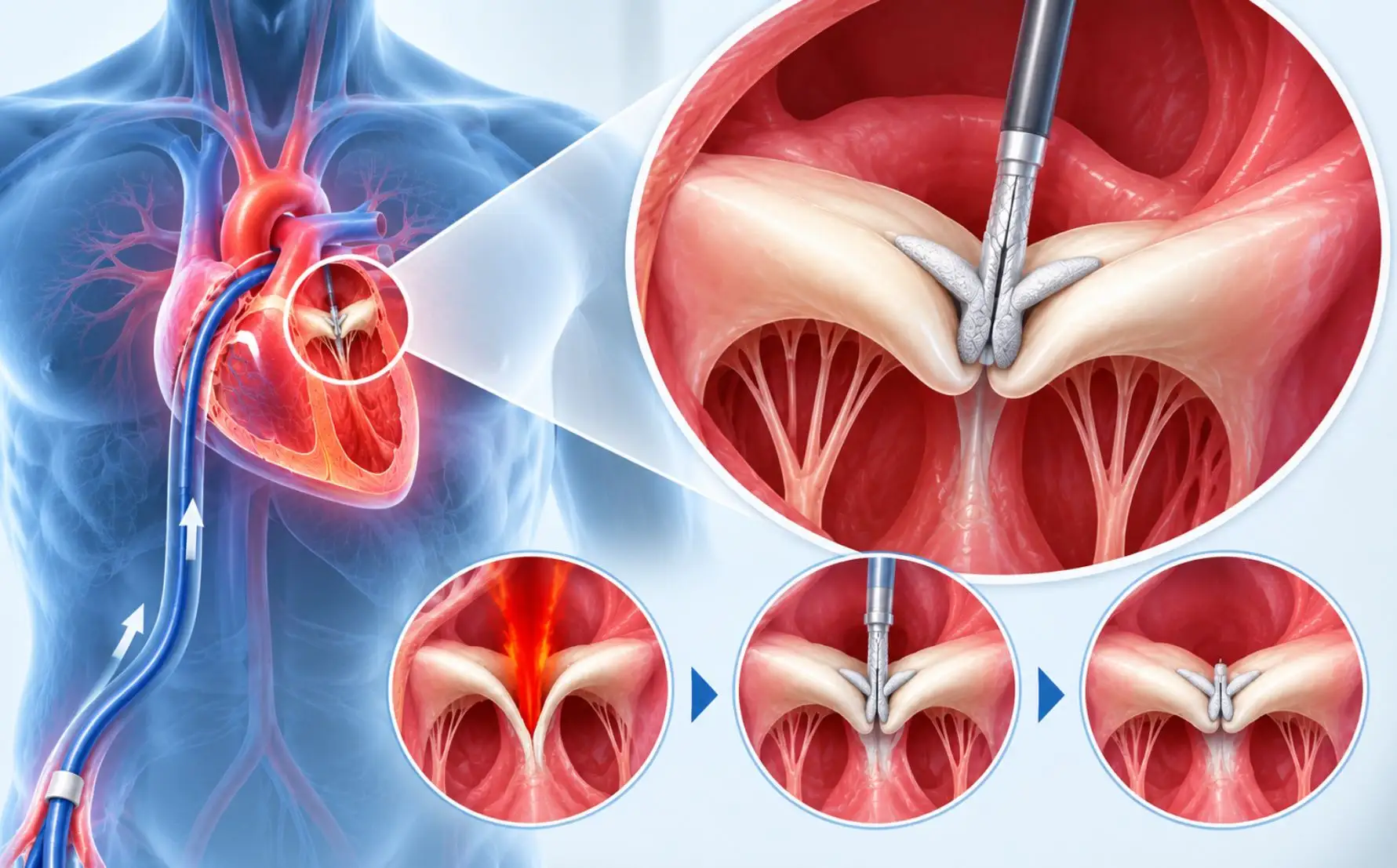
MitraClip & Mitral Valve Repair (MVR / TMVR)
An advanced catheter-based therapy that clips together leaking mitral valve leaflets, effectively stopping backward blood flow and relieving shortness of breath without complex open-chest surgery.
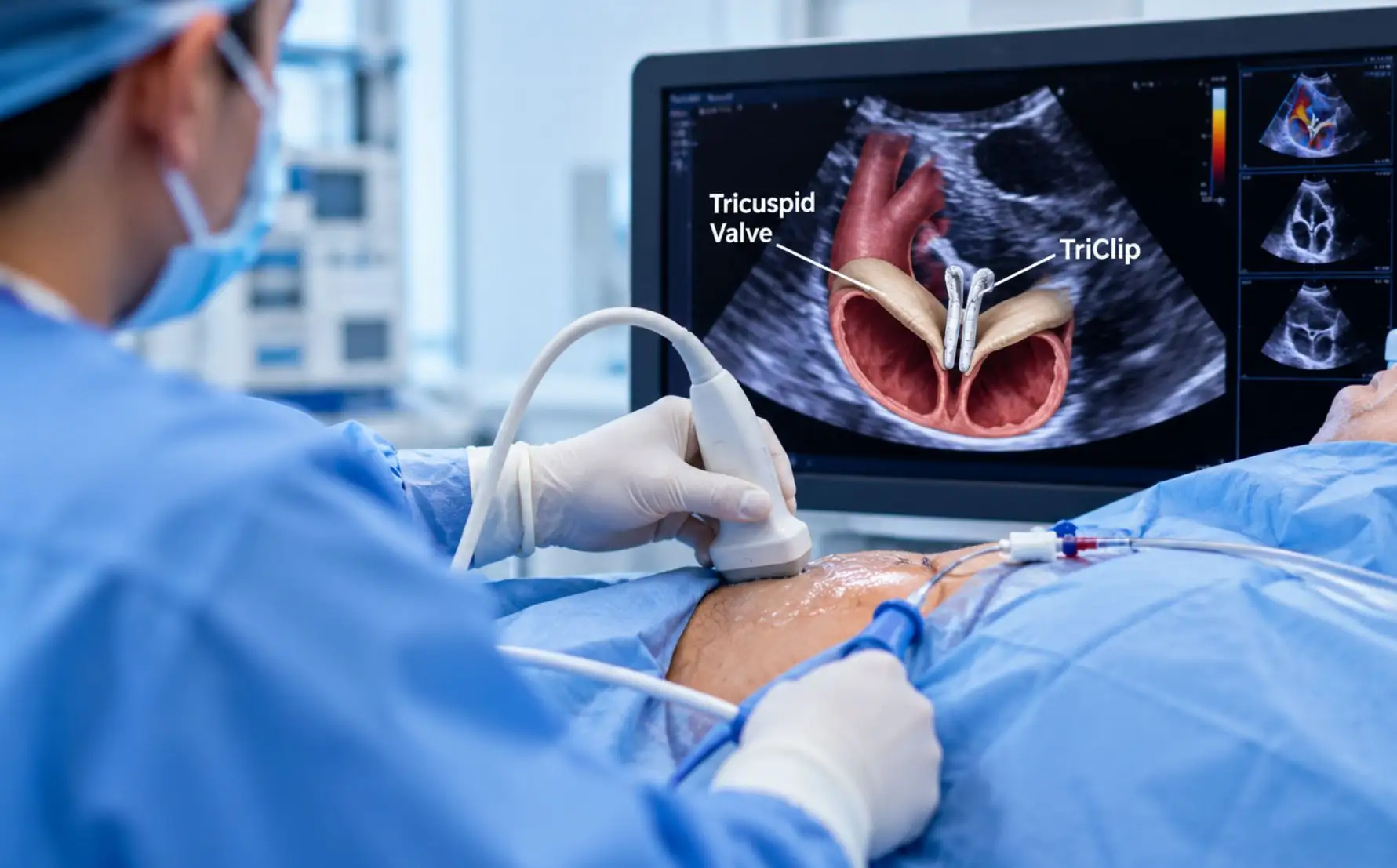
TriClip & Tricuspid Valve Interventions
Innovative keyhole treatment engineered specifically for severe tricuspid valve leakage. It securely clips leaking valve tissue to restore proper blood flow and ease strain on the heart.
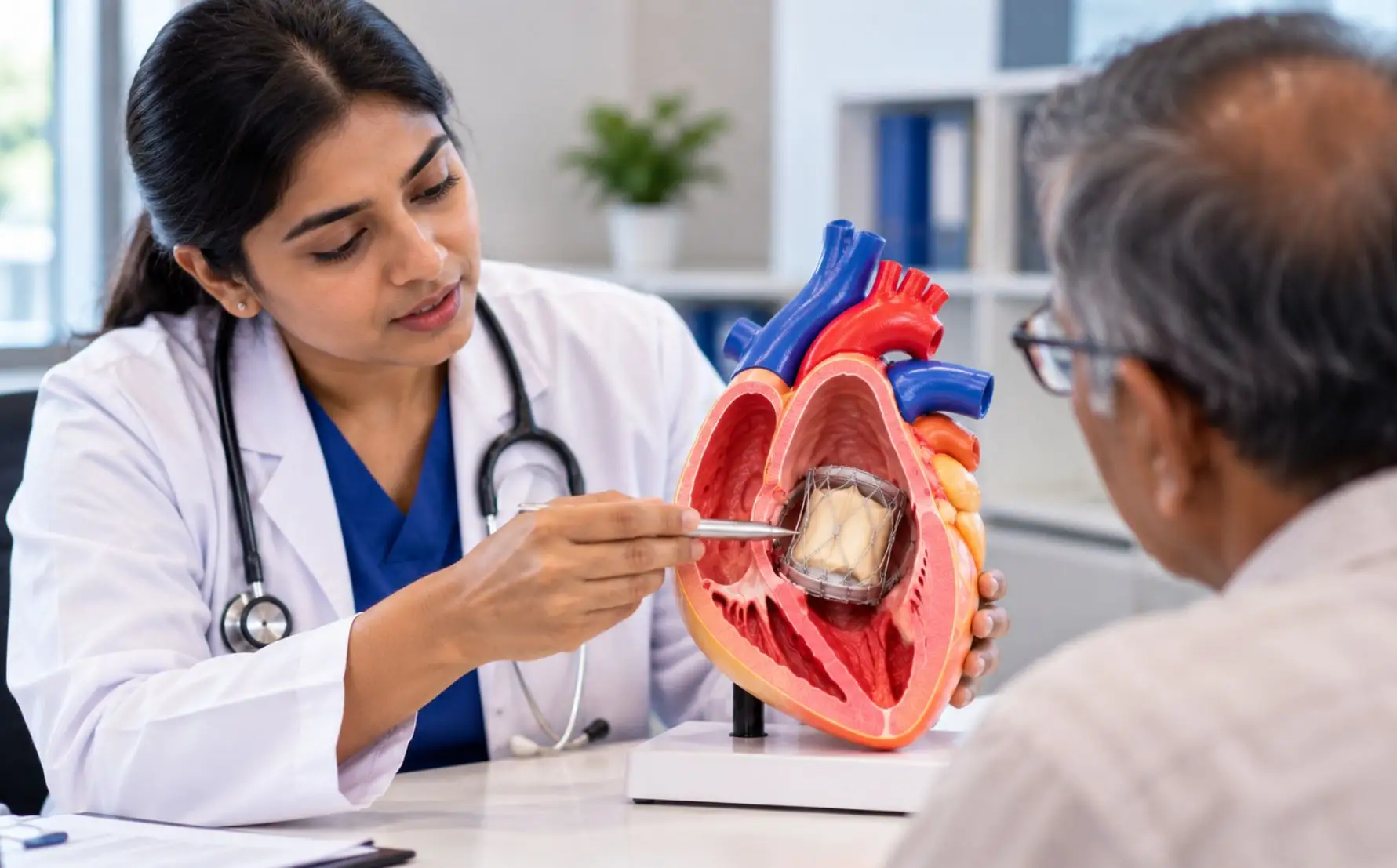
Valve-in-Valve (ViV) Interventions
A specialized transcatheter technique that places a new valve directly inside a failing, worn-out bioprosthetic valve—sparing high-risk patients from the burden of a repeat open surgery.
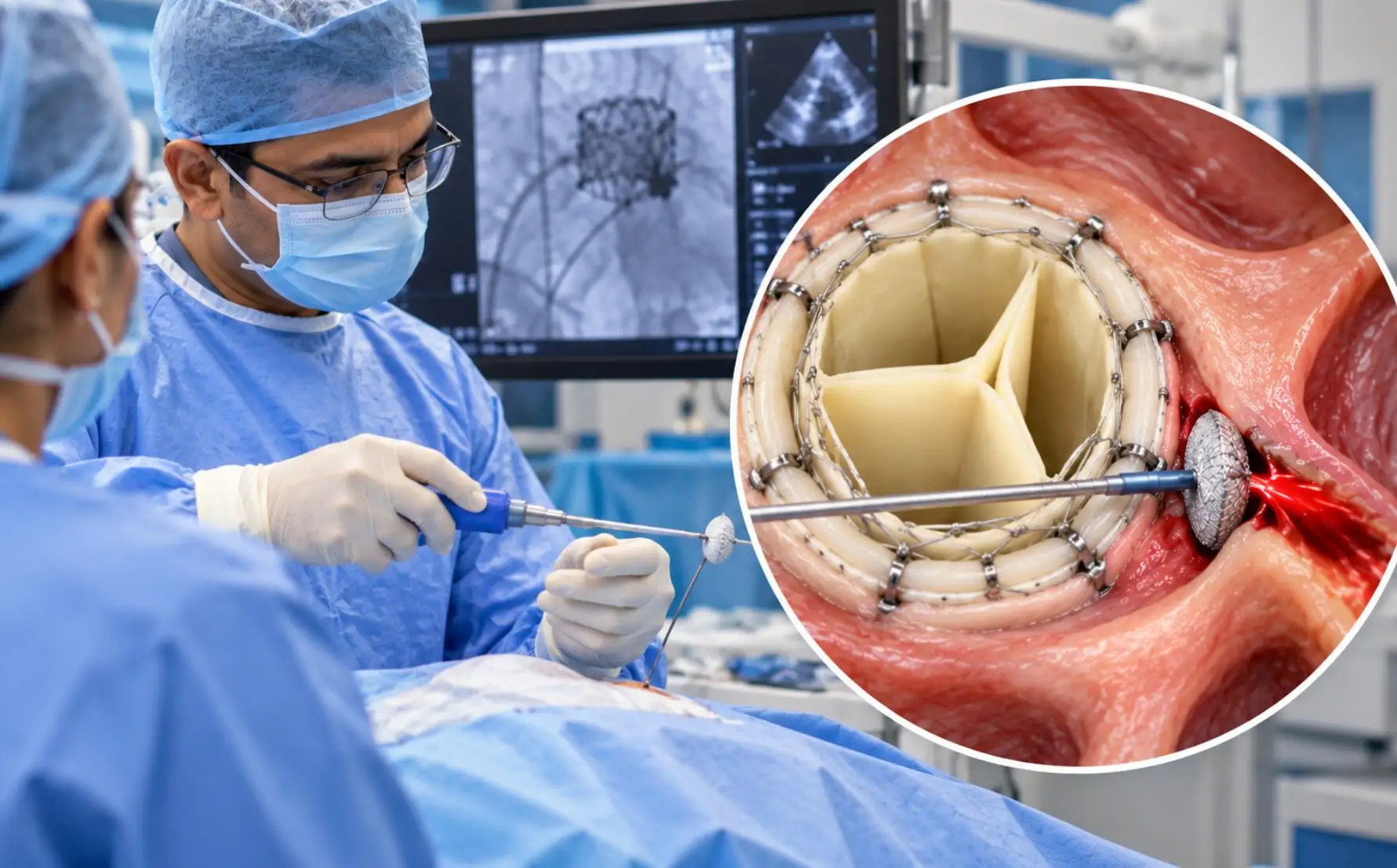
Paravalvular Leak (PVL) Closure
Precision catheter intervention to plug unintended gaps or leaks that develop around previously implanted artificial valves, restoring optimal cardiac efficiency and preventing heart failure complications.
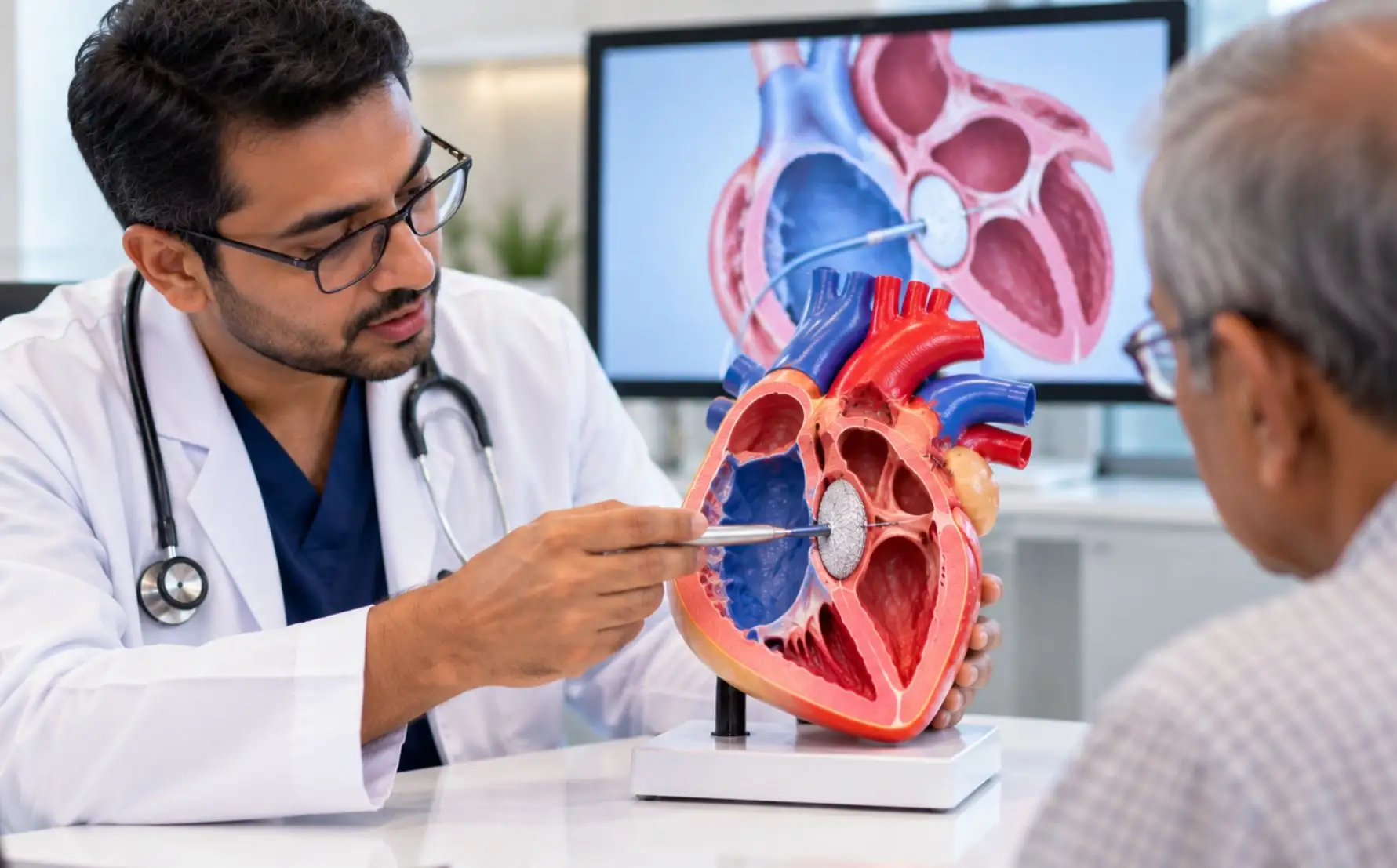
Complex Structural & Septal Defect Closures
Catheter-guided closure of structural heart defects, including congenital heart holes and left atrial appendage sealing, to protect against stroke and restore healthy cardiac blood circulation.
At Shree Hospitals, our heart specialists assess patients with a narrowed aortic valve to determine the most suitable treatment. The assessment includes reviewing symptoms, heart scans, medical history and overall health.
Based on these findings, the team explains whether TAVR/TAVI, open-heart valve replacement surgery or another treatment may be appropriate. Each treatment plan is tailored to the patient's condition and individual needs.
TAVR/TAVI is a procedure that replaces a narrowed aortic valve without open-heart surgery. During the procedure, the doctor guides a new valve to the heart through a thin tube inserted into a blood vessel, usually in the groin.
The new valve helps blood flow more easily through the heart. For suitable patients, TAVR/TAVI may offer a shorter hospital stay and faster recovery than open-heart surgery. Recovery varies from person to person, and our team provides appropriate monitoring and follow-up care based on each patient's needs.
Why Choose Our TAVR/TAVI Clinic at Shree Hospitals?
Heart Team discussion
benefits and risks
Cath Lab
follow-up planning
billing questions
TTAVR/TAVI Specialists in Mumbai at Shree Hospitals
Discuss your diagnosis, existing reports, and questions about aortic valve treatment with our heart specialist.
Enquire About Heart Failure Care

15+ years of experience
Dr. Anmol Sonawane
Interventional Cardiologist, TAVI & Structural Heart
Our Technology
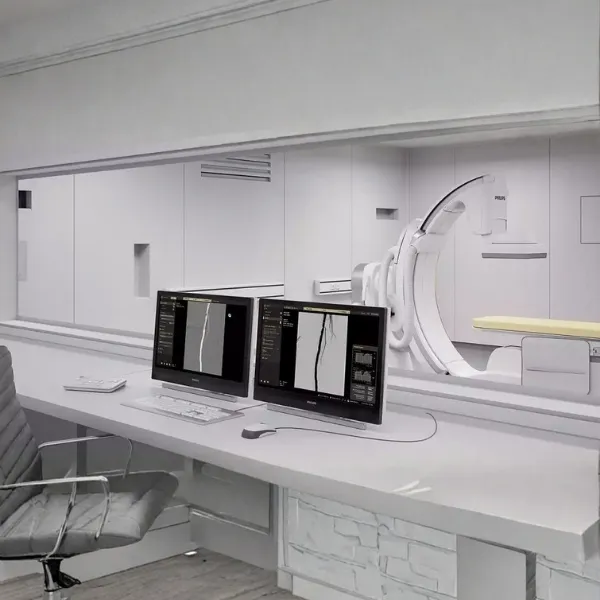
Advanced Image-Guided Cath Lab for TAVR/TAVI
TAVR/TAVI at Shree Hospitals is supported by an image-guided cardiac catheterisation laboratory (Cath Lab). During the procedure, imaging lets the cardiac team see the heart and blood vessels in real time, which helps guide the catheter and check valve placement.
How Does Our Imaging Technology Benefit You?
Precise Real-Time Imaging
Provides clear views of the heart and blood vessels to help the cardiac team guide the procedure and position the replacement valve accurately.
Dose-Management Technology
Helps maintain image quality while managing X-ray exposure during the procedure.
Efficient Procedure Workflow
Table-side controls provide convenient access to compatible imaging and procedural information within the Cath Lab.
Minimally Invasive Approach
TAVR/TAVI uses a catheter-based approach rather than traditional open-heart surgery in appropriately selected patients, which may support an easier recovery.
What to Expect in Our Advanced Cath Lab?
Preparation
You will be comfortably positioned while the medical team prepares you for the procedure.
Procedure Guidance
Advanced imaging is used throughout the procedure to guide the catheter and support accurate valve placement.
Continuous Monitoring
Your heart function and vital signs are closely monitored by the medical team.
Recovery
After the procedure, you will be moved to a recovery area for observation and post-procedure care.
What happens during TAVI
A replacement valve is guided to the heart through a catheter and positioned within the existing aortic valve. Imaging helps the team guide and check placement.
The anaesthesia or sedation plan depends on the procedure and your health. Afterwards, the team monitors your condition and recovery. Your specialist will explain your individual plan.
AVI or surgical valve replacement
TAVI and surgical aortic valve replacement are different ways of treating a diseased aortic valve.
TAVI uses a catheter; surgery removes the diseased valve and replaces it through an operation. The decision is about which approach offers the most appropriate balance of benefit, risk, and future treatment options for you.
Ask your specialist why a particular option is recommended, what alternatives are suitable, and what the decision could mean if another valve procedure is needed later. A less invasive approach is not automatically the best option for every patient.
Possible benefits of TAVI
For suitable patients, treatment can improve blood flow through the aortic valve and may help relieve symptoms related to valve narrowing.
Recovery after a catheter-based procedure can be quicker than after open-heart surgery, although recovery and symptom improvement vary. Other health conditions can affect the benefit you experience.
Risks and limitations to discuss
TAVI is a major heart procedure with risks, including bleeding, blood vessel injury, stroke, heart rhythm problems, kidney issues, infection or valve leakage.
Some patients may need a pacemaker or further treatment. Ask your heart specialist about the risks, expected benefits and what may happen if you delay or decline treatment. Your individual risks depend on your health and heart condition.
Imaging and procedural planning
Imaging plays an important role in assessing the valve and blood vessels, planning treatment and checking valve placement. During your consultation, ask which imaging is needed and how the findings affect the recommended approach.
TAVI treatment cost in Mumbai
The cost of TAVI depends on the type of replacement valve, medical tests, procedure requirements, and length of hospital stay. Contact Shree Hospitals to discuss a cost estimate based on your condition and treatment needs.
Before admission, ask what the estimate includes, such as the replacement valve, specialist fees, investigations, medicines, room charges, and follow-up care. Also clarify any additional costs that may arise from an extended hospital stay or further treatment.
Hospital stay and recovery after TAVI
The length of your hospital stay after TAVI depends on your health, recovery and the treating team’s assessment. Discharge timing varies from patient to patient and cannot be guaranteed.
Before leaving the hospital, make sure you understand your medicines, wound care, activity restrictions, follow-up appointments and whom to contact if you feel unwell. Arrange help at home if needed, and do not stop or change prescribed medicines without medical advice.
Ask your doctor when you can safely resume walking, work, driving and travel. Your recovery plan will depend on your condition and how you respond to the procedure. Attend follow-up appointments even if you feel well.
Patient
Resources

Schedule
consultation

Billing &
Payments

Hospital
Facilities
24×7 Emergency Care

1800-268-4000
Operating Processes for TAVR/TAVI & Structural Heart Care
For Any Questions, please call,

1800-268-4000
TAVR/TAVI Diagnosis & Conditions
- Aortic Valve Stenosis
- Comprehensive TAVR/TAVI Evaluation
- Cardiac CT Angiography
- Advanced Valve Sizing Assessment
- Personalised TAVR/TAVI Treatment Planning
TAVR/TAVI Admission & Discharge Process
Our coordinators help with pre-procedure preparation, anaesthesia and Cath Lab scheduling, and discharge planning. Before you go home, you receive medicine instructions, a follow-up plan and guidance on recovery and rehabilitation. The length of stay varies and is decided by your treating team.
FAQs About TAVI Heart Valve Replacement
TAVI and TAVR different treatments?
TAVI and TAVR are different names for the same catheter-based aortic valve replacement procedure.
Is TAVI the same as angioplasty?
No. TAVI treats the aortic valve. Coronary angioplasty treats narrowed heart arteries. Your cardiologist can explain whether you need assessment or treatment for either condition.
Is there a fixed age limit for TAVI?
Age alone does not establish suitability. Your health, anatomy, expected benefit, preferences and future treatment needs all matter. Ask for an individual assessment rather than relying on a general age cutoff.
Can everyone avoid open heart surgery with TAVI?
No. TAVI is not suitable for every patient. The team may recommend surgery or another approach after reviewing your condition and investigations.
Will I need new tests before a decision is made?
Possibly. Existing reports are a useful starting point, but your team may need further imaging or other investigations to understand the valve and plan treatment. Bring your reports before arranging additional tests yourself.
Will I be awake during the procedure?
The plan may involve local anaesthesia with sedation or general anaesthesia, depending on your case. The anaesthesia team will explain what is appropriate for you.
How long will I stay in hospital after TAVI?
The length of stay varies. Some patients recover sufficiently for an early discharge, while others need longer monitoring or treatment. Your team decides when discharge is appropriate, so avoid making fixed travel or work plans before they confirm it.
Will I need a pacemaker after TAVI?
Some patients develop changes in the heart’s electrical conduction and need a permanent pacemaker. Your specialist will discuss this risk and the monitoring plan.
How long will the replacement valve last?
Durability varies and long-term follow-up is important. Ask how available evidence, your age, health and possible future treatment needs affect the choice of valve and procedure.
Will I need a pacemaker after TAVI?
Some patients develop changes in the heart’s electrical conduction and need a permanent pacemaker. Your specialist will discuss this risk and the monitoring plan.
Will insurance cover the full cost?
Not necessarily. Coverage depends on the policy, authorisation and exclusions. Ask your insurer and the hospital billing team to confirm the approved amount and any expected personal payment.
Can I bring reports from another hospital?
Yes, bring existing reports and scan images where available. They help the doctor understand your history, although further tests may still be needed.
Can a family member help arrange the consultation?
A family member can contact the hospital to ask about appointment arrangements. Medical information should be shared through the hospital’s approved process and with the patient’s permission where required.

News & Updates
Shree Hospitals Expands Paediatric Surgical Care With Latest Technology
Shree Hospitals Installs a Robotic-Assisted Surgical System for Better Patient Care


