 Ghatkopar (East), Mumbai)


Home > Gastroenterology > Polypectomy
Polypectomy Colon Polyp Removal In Mumbai
Safe and Effective Removal of Colon and Gastrointestinal Polyps
Polypectomy is a minimally invasive endoscopic procedure to safely remove polyps from the colon or other parts of the gastrointestinal tract.
At Shree Hospitals, our experienced gastroenterologists perform polypectomy during colonoscopy to remove pre-cancerous and cancerous polyps, significantly reducing the risk of colorectal cancer without surgery.
Polyps Found? Get Expert Removal at Shree Hospitals Today
Quick facts
Procedure Type: Therapeutic Endoscopic Procedure
Duration: 30 to 60 minutes (performed during colonoscopy)
Hospital Stay: Outpatient (same day discharge in most cases)
Type of Anaesthesia: Conscious sedation or general anaesthesia
Location: Colon, rectum, stomach, or small intestine
Support Team: Gastroenterologists, endoscopy nurses, anaesthetists
Key Benefit: Permanent removal of pre-cancerous polyps preventing colorectal cancer
What is Polypectomy?
A polyp is an abnormal growth of tissue that develops on the inner lining of the gastrointestinal tract, most commonly in the colon (large intestine). Most polyps are initially benign (non-cancerous), but certain types called adenomatous polyps have the potential to develop into colorectal cancer over time if they are not detected and removed. Polypectomy is the endoscopic procedure to safely and permanently remove these polyps.
Polypectomy is performed during colonoscopy using endoscopic instruments passed through the colonoscope. Techniques used include cold or hot snare polypectomy (using a wire loop to cut and remove the polyp) and endoscopic mucosal resection (EMR) for larger or flat polyps. The removed tissue is sent to the pathology laboratory for analysis to confirm whether the polyp is benign, pre-cancerous (adenoma), or malignant.
At Shree Hospitals, polypectomy is performed by experienced gastroenterologists using high-definition colonoscopy equipment in a dedicated endoscopy suite. Polyp removal is typically performed at the same session as the colonoscopy, meaning patients receive diagnosis and treatment in a single procedure without the need for additional intervention or a separate hospital admission.
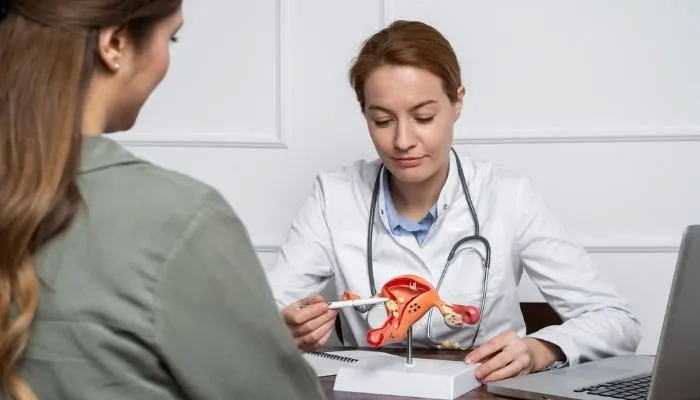
When Should You Get a Colonoscopy for Polyp Assessment?
You should seek specialist evaluation if you:
- Have polyps detected on a previous colonoscopy or CT colonography
- Have a family history of colorectal cancer or familial adenomatous polyposis (FAP)
- Have a positive stool blood test (FOBT or FIT) requiring colonoscopy
- Experience a change in bowel habits, rectal bleeding, or mucus in stools
- Are aged 45 or over and have not had a routine colorectal cancer screening colonoscopy
Early detection and removal of polyps is the most effective strategy for preventing colorectal cancer.
Is Polypectomy Right for You?
Polypectomy is recommended if:
- Polyps have been identified on colonoscopy or CT scan
- You have a personal or family history of colorectal cancer or polyps
- You have familial adenomatous polyposis (FAP) or Lynch syndrome
- A large or flat polyp has been found requiring endoscopic mucosal resection (EMR)
- Your gastroenterologist recommends polypectomy as part of screening or diagnostic colonoscopy
All detected polyps at Shree Hospitals are removed at the same endoscopy session where possible.
Why Polyp Removal Matters?
Colorectal cancer is one of the most preventable cancers through regular endoscopic screening and polyp removal:
- Removing adenomatous polyps reduces colorectal cancer risk by up to 80%
- Polypectomy is safe and requires no surgical incision
- Early removal before cancer develops is always preferable to treating advanced cancer
- Histology of the removed polyp confirms cancer risk and guides future surveillance
- Regular colonoscopy with polypectomy is the gold standard for cancer prevention
Removing colorectal polyps through polypectomy reduces the risk of colorectal cancer by up to 80%.
24×7 Emergency Care
Our Approach to Polypectomy
At Shree Hospitals, our gastroenterology team takes a thorough and patient-centred approach to colonoscopy and polypectomy.
We use the latest high-definition colonoscopy technology with narrow band imaging to detect even the smallest and flattest polyps, and we remove all detected polyps safely and completely at the same session wherever possible.
24×7 Emergency Care
High-Definition Polyp Detection
We use the latest high-definition colonoscopy systems with narrow band imaging (NBI) and chromoendoscopy techniques to maximise adenoma detection rate (ADR) - the most important quality indicator for colonoscopy. Higher detection means more polyps found and removed before they can develop into cancer.
Complete Polyp Removal at the Same Session
All detected polyps are removed during the same colonoscopy session wherever clinically safe and technically possible. This avoids the need for repeat procedures and ensures that pre-cancerous tissue is removed with the minimum delay after detection.
Advanced Polypectomy Techniques
Our gastroenterologists are trained in all polypectomy techniques including cold snare, hot snare, EMR (endoscopic mucosal resection), and ESD (endoscopic submucosal dissection) for large, flat, or complex polyps that require specialised removal to ensure complete excision with clear histological margins.
Pathology-Guided Surveillance Planning
All removed polyps are sent for histological analysis. Results confirm the polyp type (adenoma, hyperplastic, serrated, or malignant), grade of dysplasia, and completeness of removal. Based on these results, a personalised surveillance colonoscopy schedule is provided in line with current guidelines.
Top Gastroenterologists in Mumbai at Shree Hospitals
Every specialist at Shree Hospitals is board-certified and has an average of 15+ years of clinical experience in diagnostic and therapeutic endoscopy, colonoscopy, and gastrointestinal disease management.
24×7 Emergency Care

Dr. Keyur A. Sheth
Gastroenterologist, Hepatologist & Advanced GI
Dr. Sandeep Kirit Davavala
Gastroenterology, Therapeutic Endoscopy
Gastroenterology Services at Shree Hospitals
We offer a full range of gastroenterology services including colonoscopy, polypectomy, upper GI endoscopy, ERCP, liver biopsy, endoscopic banding, antiviral therapy for hepatitis, and IBD management, all supported by experienced gastroenterologists and a state-of-the-art endoscopy suite.
Endoscopy and Colonoscopy
High-definition upper GI endoscopy and colonoscopy for accurate diagnosis and treatment of digestive conditions. Biopsies, polyp removal, and therapeutic procedures are performed at the same session without the need for further intervention.
ERCP (Bile Duct Procedure)
Specialised endoscopic procedure for diagnosis and treatment of bile duct stones, strictures, and biliary obstruction. ERCP achieves non-surgical stone removal and biliary stenting in over 90% of cases.
Liver Biopsy
Definitive ultrasound-guided liver tissue diagnosis for accurate staging of liver disease and fibrosis. Results guide antiviral, immunosuppressive, or other treatment decisions for chronic liver conditions.
Immunosuppressive Therapy (IBD)
Expert medical management of Crohn's disease and ulcerative colitis using immunosuppressive and advanced biologic therapy. Our IBD team achieves sustained remission and mucosal healing in the majority of patients.
Step by Step Process of Polypectomy at Shree Hospitals
Thousands of successful polypectomy procedures performed by our specialists over 25+ years
Step 1 - Consultation and Colonoscopy Planning
Your gastroenterologist reviews your symptoms, family history, previous polyp history, and bowel screening results. Colonoscopy with polypectomy is planned. Instructions on bowel preparation, dietary modification, and medication adjustments are provided well in advance.
Step 2 - Pre-Procedure Bowel Preparation
You follow a low-residue diet for 1 to 2 days and take a bowel preparation solution the day before the procedure to fully cleanse the colon. Thorough bowel preparation is essential to ensure every part of the colon is clearly visible and all polyps can be detected.
Step 3 - Colonoscopy and Polyp Detection
Under conscious sedation or general anaesthesia, the colonoscope is gently advanced to the end of the large intestine (caecum). The lining of the entire colon is carefully inspected on withdrawal of the scope. High-definition imaging and narrow band imaging are used to identify all polyps including flat and subtle lesions.
Step 4 - Polypectomy Procedure
Each identified polyp is assessed for size, shape, and surface pattern. Small polyps are removed by cold snare polypectomy. Larger polyps are removed by hot snare polypectomy or EMR (endoscopic mucosal resection). The polypectomy site is inspected for complete removal and haemostasis. Clips or coagulation are used if required.
Step 5 - Polyp Tissue Analysis (Histology)
All removed polyp specimens are placed in formalin and sent immediately to the pathology laboratory. Histological analysis confirms the polyp type (adenomatous, hyperplastic, serrated), degree of dysplasia, and whether the polyp margins are clear. Results are available within 7 to 10 working days.
Step 6 - Results Review and Surveillance Planning
Your gastroenterologist reviews the histology results at a follow-up appointment. Based on the polyp type, size, number, and degree of dysplasia, a personalised surveillance colonoscopy interval (typically 1, 3, or 5 years) is recommended in line with current guidelines. You receive a written colonoscopy report for your records.
Patient Questions About Polypectomy
Will polypectomy be done at the same time as my colonoscopy?
Yes. In the vast majority of cases, polyps detected during colonoscopy are removed at the same session without the need to come back for a separate procedure. This is both more convenient and ensures that pre-cancerous tissue is removed with the minimum possible delay after detection. Rarely, very large or complex polyps may require a staged approach, which your gastroenterologist will explain if applicable.
Is polypectomy painful or risky?
Polypectomy is a safe procedure performed during colonoscopy under sedation. You will not feel pain during the removal. After the procedure, some patients experience mild bloating or abdominal cramps that resolve within a few hours. The most significant risk is post-polypectomy bleeding, which occurs in approximately 1 in 100 cases and can usually be managed endoscopically without surgery. Perforation is a very rare complication occurring in fewer than 1 in 1000 procedures. Your gastroenterologist will discuss risks relevant to your individual case.
What happens after a polyp is removed?
After polypectomy, you are advised to follow a soft diet for 24 to 48 hours and to avoid strenuous activity for 24 hours. Blood thinning medications should be restarted only when advised by your doctor. If you notice significant bleeding from the rectum, severe abdominal pain, or fever after your procedure, you should contact the hospital immediately. Polyp results take 7 to 10 working days and will be discussed at your follow-up appointment.
How often do I need a follow-up colonoscopy after polypectomy?
The surveillance interval depends on the number, size, and type of polyps found. Current guidelines recommend repeat colonoscopy at 1 to 2 years for patients with multiple or large advanced adenomas, at 3 years for those with 3 to 4 small adenomas, and at 5 years for those with 1 to 2 small low-risk adenomas. Patients with no polyps on a complete colonoscopy can be reassured and advised to repeat at 5 to 10 years depending on risk. Your gastroenterologist will provide you with a personalised surveillance recommendation.

Evidence-Based Case Studies by Our Specialists
Would Recommend Us
"I had no symptoms but my mother had bowel cancer so I booked a screening colonoscopy at Shree Hospitals. Three polyps were found and removed at the same time. The results showed two were pre-cancerous. Catching them early has potentially saved my life."
Mr. Dilip R
"A large flat polyp was found during my colonoscopy. I was told it was too big for standard removal and needed a technique called EMR. The team at Shree Hospitals removed it completely at the same session. The histology showed it was pre-cancerous with clear margins."
Mrs. Lalita N.
"My routine bowel test came back positive for blood. I had the colonoscopy at Shree Hospitals and a polyp was found and removed. The report showed an early cancer completely within the polyp with clear margins. No further surgery was needed. Early detection made all the difference."
Mr. Ashok K
Patient
Resources

Schedule
consultation

Billing &
Payments

Hospital
Facilities
24×7 Emergency Care

1800-268-4000

Follow Us

Shree
Hospitals

Shree
Hospitals
