 Ghatkopar (East), Mumbai)

Home >Neonatology > Premature Birth (Preterm Neonates)
Premature Birth Treatment in Mumbai
When a baby arrives weeks or months before their due date, the world outside the womb can feel overwhelmingly hostile to a body that simply wasn't ready for it yet. Every organ system - the lungs, the brain, the gut, the immune defences - is still in active development, and the gap between gestational readiness and the demands of extrauterine life must be bridged entirely by expert neonatal care. At Shree Hospitals, our dedicated preterm newborn specialists provide comprehensive Premature Birth treatment in Mumbai, India - delivering round-the-clock preterm baby NICU care and survival support in Mumbai and specialised premature infant lung and brain development care that gives every early arrival the strongest possible foundation for life.
(24×7 Emergency Care)
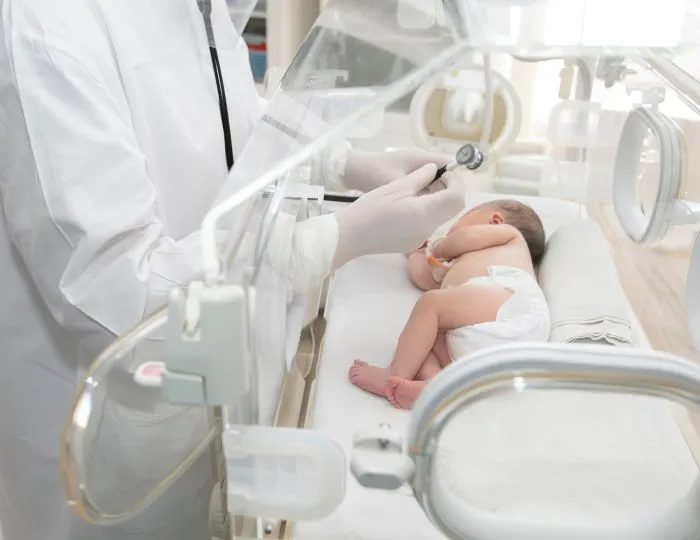
Our Approach
(24×7 Emergency Care)
Our Approach to Preterm Neonatal Care
Every week in the womb matters - when it ends early, we bridge the gap.
A baby born at 28 weeks weighs little more than a bag of sugar. Their skin is translucent, their lungs lack the surfactant needed to breathe independently, their brain is exquisitely vulnerable to pressure changes and low oxygen, and their gut cannot yet coordinate sucking, swallowing, and breathing. Yet with the right environment, the right support, and the right team, babies born even at the edge of viability can and do survive - and go on to live full, healthy, and unremarkable lives.
At Shree Hospitals, our approach to preterm baby NICU care and survival support in Mumbai is built around two equally important goals: keeping the baby alive and stable in the short term, and protecting the developing brain and organ systems to give the best possible long-term developmental outcome. These are not the same goal, and our neonatal team holds both in mind simultaneously throughout every day of a preterm infant's admission.
- Delivery Room Stabilisation - The First Minutes
- Dedicated neonatal resuscitation team present at every anticipated preterm delivery
- Plastic wrap and radiant warmer use from birth - preventing the hypothermia that can catastrophically worsen outcomes in preterm neonates
- Gentle respiratory support initiated immediately - avoiding aggressive ventilation that can injure the immature lung
- Delayed cord clamping where clinically safe - providing an additional bolus of blood and stem cells that significantly benefits preterm babies
- In-delivery-room surfactant therapy for premature babies for extremely preterm infants where early administration improves outcomes
- Respiratory Support - The First Priority
Lung immaturity is the most immediately life-threatening consequence of prematurity:
- Non-invasive CPAP as the first-line respiratory support - maintaining lung inflation without the trauma of intubation
- Intubation and mechanical ventilation when CPAP is insufficient - using lung-protective strategies to minimise ventilator-induced lung injury
- Surfactant therapy for premature babies - delivered directly into the airway to replace the natural substance the lungs haven't yet produced
- High-frequency oscillatory ventilation for severe respiratory failure unresponsive to conventional approaches
- Inhaled nitric oxide for pulmonary hypertension complicating prematurity
- Nutritional Support - Building From Day One
Every calorie matters when a preterm baby needs to grow and develop:
- Total parenteral nutrition started within hours of birth - providing protein, glucose, lipids, vitamins, and minerals intravenously while enteral feeds are established
- Minimal enteral feeding with expressed breast milk from the earliest possible day - tiny volumes protect the gut lining and prime the digestive system
- Gradual feed advancement guided by the baby's clinical tolerance, bowel sounds, and abdominal examination
- Lactation support for mothers of preterm babies - expressed breast milk is the single most protective nutritional intervention available
- Kangaroo mother care - skin-to-skin contact with the mother, proven to improve weight gain, reduce infection, and support breastfeeding
- Brain Protection - The Long-Term Investment
The preterm brain is exquisitely vulnerable, and protecting it requires constant vigilance:
- Cranial ultrasound from day one - screening for intraventricular haemorrhage, the most common brain injury of prematurity
- Avoiding preventable factors that worsen brain injury - hypoglycaemia, excessive stimulation, rapid fluid shifts, and uncorrected anaemia
- Amplitude-integrated EEG for seizure monitoring in high-risk neonates
- Magnesium sulphate administration before delivery where possible - a neuroprotective strategy significantly reducing cerebral palsy risk
- Early physiotherapy input within the NICU setting, supporting appropriate developmental positioning
- Infection Prevention & Screening
The preterm immune system is profoundly immature:
- Strict hand hygiene protocols throughout our NICU - the single most effective infection prevention measure
- Blood culture-guided antibiotic therapy for suspected sepsis, with early de-escalation when cultures are negative
- Routine screening for retinopathy of prematurity (ROP) - a vision-threatening complication in very preterm babies
- Newborn hearing screening before NICU discharge - identifying any hearing impairment for early intervention
- Scheduled vaccination catch-up from the appropriate corrected gestational age
- Family-Centred Care & Developmental Follow-Up
- Parents welcomed as active participants in care from day one - kangaroo mother care, feeding participation, and developmental positioning support
- Psychological support for families navigating the emotional weight of a prolonged NICU admission
- Structured developmental follow-up clinic at corrected ages 3, 6, 12, and 24 months
- Early intervention referral for any developmental concerns identified during follow-up
- Discharge planning beginning well before the anticipated discharge date, ensuring families feel prepared and confident.
Happy Patients & Their Case Stories
Born at 27 weeks weighing just 900 grams, this baby boy from Thane spent 11 weeks in our NICU receiving surfactant therapy for premature babies, ventilatory support, and kangaroo mother care. Now three years old, he attends playschool and is meeting every developmental milestone on track.
Mrs. Saipallavi. T
Twin girls delivered at 30 weeks due to their mother's preeclampsia required separate, specialised care pathways in our NICU at Shree Hospitals. Preterm baby NICU care and survival support in Mumbai gave both babies a healthy start, and they went home together after six weeks.
Mrs. Apeksha. D
How to Identify Concerns in a Preterm Baby?
Preterm babies show distress through subtle signs that trained eyes recognise quickly. Parents caring for their preterm baby at home after discharge should remain alert to:
During NICU Admission:
- Apnoea episodes - breathing pauses lasting more than 20 seconds, extremely common below 34 weeks gestation
- Oxygen desaturation - the monitoring alarm most parents quickly become familiar with during NICU stays
- Abdominal distension, blood in stools, or temperature instability - warning signs of necrotising enterocolitis requiring immediate medical response
- Abnormal tone or seizure movements - prompting urgent cranial ultrasound reassessment
- Poor feeding tolerance - increasing gastric residuals or vomiting suggesting a need to slow feed advancement
After NICU Discharge:
- Fever above 38°C - infection until proven otherwise in a preterm baby
- Reduced feeding, unusual sleepiness, or inconsolable crying - always warranting same-day medical review
- Blue lips or fingertips - a respiratory or cardiac emergency requiring immediate hospital attendance
- Failure to gain weight on structured follow-up measurements
- Not meeting developmental milestones at corrected age on structured follow-up visits
Understanding that milestones should be assessed at corrected age - counting from the original due date rather than the birth date - is one of the most important pieces of knowledge for any preterm baby's family.
Important FAQs : Premature Birth
At what gestational age can a premature baby survive?
With modern preterm baby NICU care and survival support in Mumbai, babies born from 23 to 24 weeks have a meaningful chance of survival, with outcomes improving considerably from 28 weeks onwards. Our team provides full active management from the edge of viability with appropriate family counselling.
How long will my premature baby stay in the NICU?
As a general guide, preterm babies remain until they reach approximately 36 to 37 weeks corrected age - independently feeding, maintaining body temperature, and breathing without support. Every baby's timeline is unique and influenced by their gestational age and any complications encountered.
Does surfactant therapy have side effects?
Surfactant therapy for premature babies is well tolerated and has an excellent safety profile. It is a naturally derived or synthetic replacement for the substance the immature lung simply hasn't yet produced - not a drug in the conventional sense.
What is kangaroo mother care and why does it matter?
Kangaroo mother care involves extended periods of direct skin-to-skin contact between mother and baby, held against the chest. It stabilises temperature, reduces stress hormone levels, supports breastmilk production, and has been shown in multiple studies to reduce mortality and infection rates in preterm babies.
Will my premature baby develop normally?
Many premature babies - particularly those born after 32 weeks - develop entirely normally. Babies born earlier may face developmental challenges, which our structured premature infant lung and brain development care follow-up programme identifies and addresses through early intervention.
Treatments & Interventions at Shree Hospitals
Surfactant Replacement Therapy
The most impactful single intervention for preterm lung disease - surfactant therapy for premature babies dramatically improves lung compliance and reduces the severity and duration of respiratory distress syndrome, delivered directly into the airway shortly after birth.
Top Neonatology Specialists In Mumbai

Dr. Raghav Arora
Consultant Fetal Medicine Specialist
Every Surgeon & Specialist at Shree Hospitals brings years of specialised experience to each case.

For Appointment/Query
1800-268-4000

Tele consultation/2nd Opinion
Schedule Consultation

News & Updates
Shree Hospitals is the first to perform robotic endo surgery.
Shree Hospitals Introduces Advanced Robotic Surgery for Better Patient Care
Shree Hospitals Expands Advanced Surgical Care With Latest Medical Technology
Health Center
Exploring the Future of Telemedicine: What’s Next for Healthcare?
The Rise of Renewable Energy: Innovations in Sustainability
Follow Us

Shree
Hospitals

Shree
Hospitals
