 Ghatkopar (East), Mumbai)


Ischemic Stroke Treatment In Mumbai
At Shree Hospitals, our cerebrovascular specialists provide advanced, evidence-based diagnosis and treatment for ischemic stroke treatment in Mumbai India, from emergency clot removal to long-term neurological rehabilitation. Our goal is to protect your brain, restore your function, and give you the best possible chance at a full recovery.
(24×7 Emergency Care)

Our Approach
(24×7 Emergency Care)
Our Approach to Managing Ischemic Stroke
When a patient arrives with signs of a brain attack, every second counts. Our dedicated cerebrovascular team , recognised as among the leading stroke specialists in Mumbai , activates our stroke protocol the moment the patient enters the door. Time-to-treatment is the single most important factor in preserving brain tissue, and our approach is built entirely around that principle.
- Rapid Emergency Stabilisation
As one of the best stroke hospitals in Mumbai, Shree Hospitals runs a 24/7 acute stroke response system:
- CT Angiography performed within minutes of arrival to pinpoint the blocked artery
- Blood pressure and oxygen stabilisation initiated simultaneously
- Stroke neurology team alerted from triage , no delays, no detours
- Clot-Busting Therapy (IV Thrombolysis)
If the patient arrives within the treatment window, our neurologists assess eligibility for intravenous tPA, a powerful clot-dissolving medication that can dramatically reduce disability when administered in time:
- Strict inclusion criteria followed for safe administration
- Real-time neurological monitoring throughout infusion
- Outcome tracking at 24 hours and beyond
- Mechanical Thrombectomy
For large vessel occlusions, our intervention team performs mechanical thrombectomy — a minimally invasive procedure to physically retrieve the cerebral blood clot causing the stroke:
- Performed under live imaging guidance in our dedicated Cath Lab
- Effective in eligible patients up to 24 hours from last-known-well time
- Significantly improves functional independence compared to medication alone
- Neuro-ICU Intensive Care
After treatment, every patient is monitored closely in our Neuro-Intensive Care Unit:
- Continuous neurological assessment to detect early deterioration
- Secondary prevention started within 24–48 hours (antiplatelet/anticoagulation therapy)
- Swallowing, speech, and limb assessments initiated before transfer to the ward
- Personalised Stroke Rehabilitation
Recovery doesn't stop when the crisis is controlled. Our rehabilitation programme begins in the hospital and continues post-discharge:
- Physiotherapy, occupational therapy, and speech therapy — all under one roof
- Caregiver training so families can actively support recovery at home
- Outpatient follow-ups at 1 week, 1 month, and 3 months post-stroke
- Long-Term Care & Recurrence Prevention
Ischemic stroke carries a significant risk of recurrence. Our neurology team works with each patient on a structured secondary prevention plan:
- Risk factor management: hypertension, diabetes, cholesterol, atrial fibrillation
- Lifestyle counselling: diet, exercise, and smoking cessation
- Annual brain imaging review for high-risk individuals
How To Identify a Ischemic Stroke?
Recognising brain stroke symptoms early can mean the difference between full recovery and permanent disability. Use the FAST method, but know the full picture:
- F — Face drooping: One side of the face falls or feels numb; smile appears uneven
- A — Arm weakness: One arm drifts downward when both are raised
- S — Speech difficulty: Slurred, garbled, or completely absent speech
- T — Time to call: Call emergency services immediately, do not wait for symptoms to pass
- Sudden vision loss in one or both eyes — often overlooked as a stroke warning
- Severe unexplained headache — unusual in ischemic stroke but possible
- Loss of balance or coordination — sudden difficulty walking or standing
If you notice any one of these signs, call for emergency help at once. At Shree Hospitals, our stroke specialist in Mumbai team is available round the clock.
Important FAQs: Ischemic Stroke
What is the difference between ischemic and hemorrhagic stroke?
Ischemic stroke is caused by a blocked artery cutting off blood flow to the brain, while hemorrhagic stroke involves a burst blood vessel. Ischemic stroke accounts for nearly 85% of all cases and is the type we most commonly treat.
How soon must I reach hospital after a stroke?
The earlier, the better. IV thrombolysis is most effective within 3–4.5 hours of symptom onset. Mechanical thrombectomy may still be possible up to 24 hours. In stroke care, minutes saved equals brain saved.
Which patients are eligible for thrombectomy?
Eligibility depends on the size and location of the clot, time since symptom onset, and overall medical condition. Our team performs a rapid imaging assessment to determine the best treatment path for each patient.
Can stroke damage be reversed?
Depending on how quickly treatment is received, significant or even full recovery is possible. Early intervention, followed by structured rehabilitation, gives patients the best chance of reclaiming function.
What causes ischemic stroke in younger adults?
In younger patients, common causes include undetected heart conditions (like patent foramen ovale), blood clotting disorders, and uncontrolled hypertension or diabetes. Our team screens for all underlying causes after a first stroke event.
When should I see a neurologist for stroke follow-up?
Within one week of discharge and then regularly thereafter. Long-term follow-up is critical to managing risk factors and preventing recurrence. Our stroke specialist in Mumbai team provides structured post-discharge care at Shree Hospitals.
Stroke Specialist Doctors in Mumbai

Dr. Neeraj Singh
Consultant Neurosurgeon & Neurointerventional Specialist
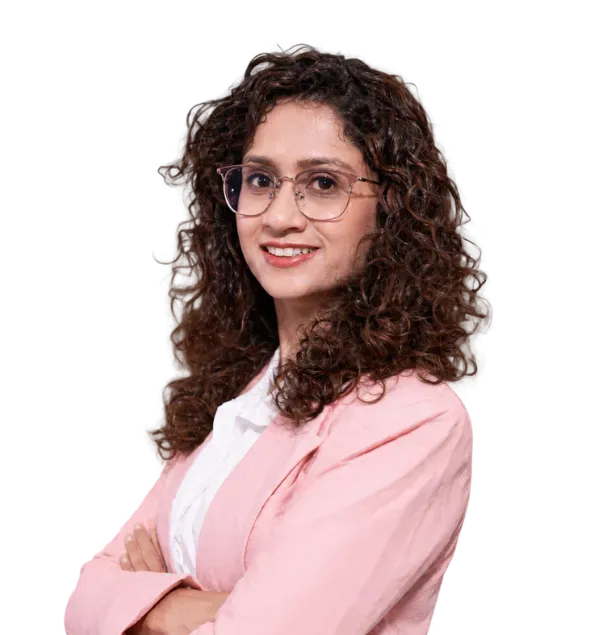
Dr. Natasha Tipnis
Consultant Neurologist and Epileptologist

Dr. Akash Chedda
Epilepsy Diagnosis
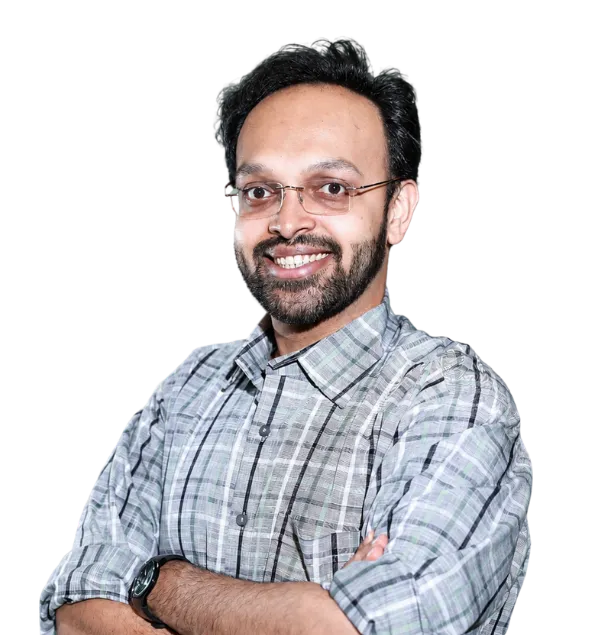
Dr. Aditya Chandrashekhar Aundhakar
Consultant Neurology & Cognitive-Behavioral Specialist

For Appointment/Query
1800-268-4000

Tele consultation/2nd Opinion
Schedule Consultation


