 Ghatkopar (East), Mumbai)


Peripheral Neuropathy Treatment in Mumbai
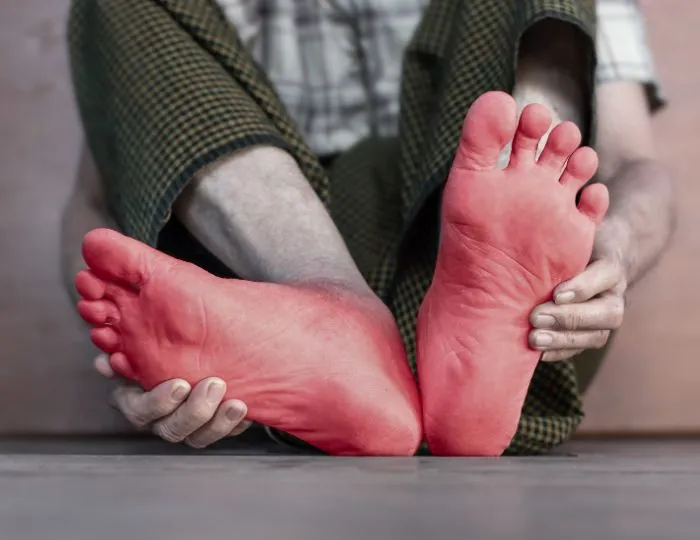
Numbness in the feet that won't go away. A burning sensation in the hands at night. Weakness in the legs that wasn't there six months ago. Peripheral neuropathy is one of the most common neurological conditions in India and one of the most frequently mismanaged, because its symptoms are easy to attribute to something else until the damage becomes significant.
At Shree Hospitals, our approach to peripheral neuropathy treatment in Mumbai begins where most management fails: finding the actual cause. Whether it is diabetic neuropathy, autoimmune, hereditary, or toxic in origin, treatment cannot be effective without an accurate underlying diagnosis.
(24×7 Emergency Care)
Our Approach
(24×7 Emergency Care)
Our Approach in Managing Peripheral Neuropathy
Peripheral neuropathy is not a single disease; it is a category of conditions affecting the peripheral nerves, each with a different cause, pattern, and treatment.
Our nerve damage specialist team in Mumbai, India uses a systematic diagnostic approach before any treatment decision is made, because treating diabetic neuropathy and treating autoimmune neuropathy are entirely different propositions.
- Clinical Assessment & Pattern Recognition
Identifying the pattern of nerve involvement is the first diagnostic step.
- Length-dependent vs. non-length-dependent distribution critical for narrowing the cause
- Sensory, motor, or autonomic predominance or combined involvement
- Acute vs. chronic onset acute neuropathy narrows the differential significantly
- Painful vs. painless diabetic and small fibre neuropathies are typically painful; hereditary forms often are not
- Nerve Conduction Study & EM
The nerve conduction study is the cornerstone investigation in peripheral neuropathy evaluation.
- Motor and sensory nerve conduction velocities distinguish axonal from demyelinating neuropathy
- EMG (electromyography) assesses muscle electrical activity and identifies denervation
- F-waves and H-reflexes for proximal nerve segment assessment
- Skin punch biopsy for small fibre neuropathy where NCS is normal but symptoms persist
- Laboratory Workup — Identifying the Cause
- Blood glucose and HbA1c diabetic neuropathy care is among the most common presentations we manage
- Thyroid function, Vitamin B12, folate, and B6 levels
- Renal and liver function metabolic neuropathies are underrecognised
- Autoimmune panel — ANA, anti-Ro, anti-La, ANCA — for vasculitic and connective tissue-related neuropathy
- Protein electrophoresis and immunofixation for paraproteinaemic neuropathy
- Genetic testing for hereditary neuropathies (CMT panel) where indicated
- Treatment of the Underlying Cause
This is where most neuropathy management fails treating only the symptom.
- Diabetic neuropathy: optimise glycaemic control first HbA1c targets matter
- Autoimmune neuropathy: IVIG, plasmapheresis, or immunosuppression depending on type
- Nutritional neuropathy: B12 and folate replacement, alcohol cessation
- Toxic neuropathy: identify and remove the offending agent drugs, heavy metals, alcohol
- Hypothyroid neuropathy: thyroid hormone replacement often reverses or stabilises nerve damage
- Symptomatic Pain Management
Numbness and tingling in hands and feet accompanied by neuropathic pain requires specific pharmacological management.
- Pregabalin and Gabapentin first-line for neuropathic pain
- Duloxetine dual-acting SNRI with strong evidence in diabetic neuropathy
- Tricyclic antidepressants (Amitriptyline) at low dose for pain modulation
- Topical agents Lidocaine patches, Capsaicin cream for localised pain
- Opioids , reserved for refractory cases with careful monitoring
- Physical & Occupational Rehabilitation
- Balance and proprioception training fall risk is significant in sensory neuropathy
- Foot care education and pressure redistribution in diabetic neuropathy
- Assistive devices ankle-foot orthoses for foot drop
- Occupational therapy for fine motor deterioration affecting daily living tasks
How to Identify Peripheral Neuropathy?
Peripheral neuropathy tends to start subtly and progress slowly which is exactly why it is often caught late.
Signs that should prompt a neurological evaluation:
- Numbness and tingling in hands and feet that started in the toes or fingertips and is spreading upward
- Burning or aching pain in the feet that is consistently worse at night
- Dropping objects or difficulty with buttoning clothes due to reduced hand sensation
- Stumbling or tripping over small obstacles due to reduced foot awareness
- Inability to feel the temperature of water with the feet
- Dizziness when standing up from a chair or bed
- Unexplained weakness in the legs that is progressing
The most important question is: what is causing it? Without identifying the cause, treatment remains symptomatic at best. If you have diabetes, kidney disease, a history of alcohol use, or are on long-term medications and you are experiencing any of these symptoms seek peripheral neuropathy treatment in Mumbai for a structured diagnostic workup, not just a prescription.
Important FAQs: Peripheral Neuropathy
Can peripheral neuropathy be reversed?
It depends on the cause. Nutritional, toxic, and some autoimmune neuropathies can improve significantly with treatment. Diabetic neuropathy can be stabilised and symptoms reduced, but structural nerve damage already present is difficult to reverse completely.
Is peripheral neuropathy always painful?
No. Some patients experience primarily numbness and weakness with little or no pain. Others have severe burning pain with minimal objective weakness. The symptom profile depends on which nerve fibres are most affected.
How is neuropathy different from sciatica?
Sciatica is caused by nerve root compression in the spine and typically follows one leg. Peripheral neuropathy usually affects both sides symmetrically, starting from the feet upward..
How long does a nerve conduction study take?
Typically 30–60 minutes. It is mildly uncomfortable but not painful for most patients, and results are interpreted immediately by our neurophysiology team.
Does diabetes always cause neuropathy?
Not inevitably. Poor long-term glucose control significantly increases the risk. Good HbA1c management substantially reduces the likelihood and slows progression if neuropathy is already present.
When should I seek urgent review for neuropathy symptoms?
The best diet for a diabetic patient focuses on controlling blood sugar spikes while providing complete and balanced nutrition. Our nutritionists at Shree Hospitals recommend eating plenty of non-starchy vegetables, whole grains, pulses, and legumes, choosing foods with a low glycaemic index, eating regular small meals throughout the day rather than large infrequent meals, limiting refined carbohydrates, sugary foods, sugary beverages, and processed foods, and including healthy fats and lean proteins in every meal. A personalised diet plan created by our team is always more effective than a generic plan because it is tailored to your individual blood sugar pattern, current medications, body weight, and personal food preferences.
Neuropathy & Neurology Specialist Doctors in Mumbai

Dr. Neeraj Singh
Consultant Neurosurgeon & Neurointerventional Specialist

Dr. Natasha Tipnis
Consultant Neurologist and Epileptologist

Dr. Akash Chedda
Epilepsy Diagnosis

Dr. Aditya Chandrashekhar Aundhakar
Consultant Neurology & Cognitive-Behavioral Specialist

For Appointment/Query
1800-268-4000

Tele consultation/2nd Opinion
Schedule Consultation

Follow Us

Shree
Hospitals

Shree
Hospitals
