 Ghatkopar (East), Mumbai)

Home > Orthopaedics > PRP Therapy for Joint Pain
PRP Therapy for Joint Pain in Mumbai
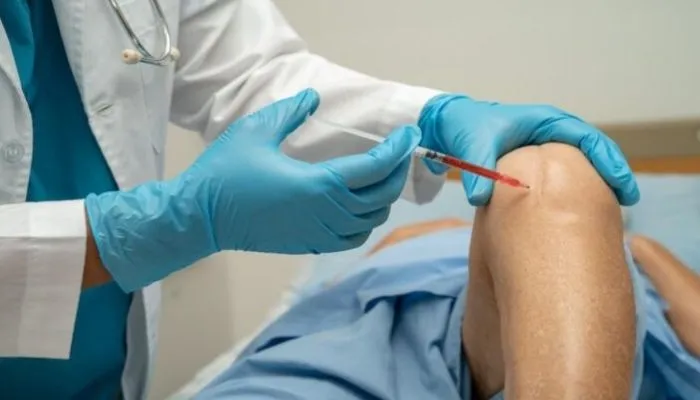
Your body already has what it needs to begin healing damaged joints PRP therapy simply concentrates it. PRP therapy for joint pain in Mumbai at Shree Hospitals harnesses the healing potential of your own blood's platelet-rich plasma, separating and concentrating the growth factors that drive tissue repair, and injecting them precisely into the affected joint under ultrasound guidance.
The result is a clinically supported, non-surgical treatment that reduces pain, improves joint function, and in many cases delays or prevents the need for surgery all using nothing but the biology already within you. For patients with early to moderate joint disease who are not yet surgical candidates, or who want to avoid surgery entirely, regenerative medicine at Shree Hospitals offers a compelling and evidence-based alternative.
Book Appointment | Find Specialists
Quick facts
Type & Duration: Ultrasound-guided
PRP injection; 30 to 45 minutes including preparation
Hospital Stay: Outpatient no overnight admission required
Recovery Time: Resume normal activity within 24 to 48 hours; maximum benefit seen at 6 to 8 weeks
Type of Anesthesia: Local anaesthetic at injection site only
Type of Surgery: Non-surgical injection-based biologic joint treatment
Type of Assistance: Pre-treatment imaging assessment, blood draw and centrifugation, ultrasound-guided injection, post-procedure activity modification guidance
What is PRP Therapy for Joint Pain?
Platelet-rich plasma therapy PRP is a form of regenerative medicine that uses a concentrated preparation of the patient's own blood platelets to stimulate biological healing in damaged tissue. Platelets are not just responsible for clotting they carry hundreds of bioactive proteins and growth factor therapy agents that orchestrate tissue repair, reduce inflammation, and promote the formation of new cartilage and connective tissue.
The procedure begins with a standard blood draw. The blood is then placed in a centrifuge and spun at a specific speed to separate the platelet layer from red blood cells and plasma. The resulting preparation containing up to 5 times the normal platelet concentration is drawn into a syringe and injected into the target joint under real-time ultrasound guidance, ensuring precise placement within the intra-articular space.
At Shree Hospitals, every PRP injection is tailored in concentration and volume to the joint being treated and the severity of the pathology. Knee, hip, shoulder, ankle, and small hand joints are all treated within our biologic joint treatment programme.
PRP is not a replacement for surgery in advanced disease but for patients with Grade 1 to Grade 3 joint changes, chronic tendinopathy, or early ligament degeneration, it represents a scientifically sound and minimally invasive treatment option worth exploring before committing to an operation.
Joint Conditions PRP Therapy Can Treat
- Early to moderate knee osteoarthritis (Grade 1 to 3)
- Hip joint pain from early degeneration or labral irritation
- Chronic tendinopathy — Achilles, patellar, rotator cuff
- Partial ligament tears and ligament insufficiency
- Plantar fasciitis unresponsive to conservative care
- Post-surgical joint pain and recovery acceleration
Is PRP Therapy Right for You?
- Joint pain confirmed on MRI or X-ray with Grade 1 to 3 changes
- Active individual seeking non-surgical management
- Insufficient response to physiotherapy and anti-inflammatory medication
- Preference for biologic over corticosteroid injections
- Suitable general health for blood processing and outpatient procedure
- No active infection, blood disorder, or anticoagulant use precluding treatment
Why PRP Outperforms Steroid Injections Long-Term
- Steroid injections reduce inflammation short-term but accelerate cartilage loss with repeated use
- Platelet-rich plasma promotes tissue healing — not just symptom suppression
- PRP effects last significantly longer — 6 to 12 months vs 6 to 12 weeks for steroids
- No systemic side effects — the treatment is derived from the patient's own biology
- Multiple sessions can be administered without the cartilage damage risk of repeated cortisone
- PRP supports the joint at a cellular level — addressing the disease, not just the symptom
Multiple randomised controlled trials show that platelet-rich plasma injections for knee osteoarthritis produce greater pain reduction and functional improvement at 12 months compared to corticosteroid and hyaluronic acid injections.
Surgery is not the only option when your joints are failing and it certainly does not have to be the first option. PRP therapy uses your body's own healing capacity to reduce pain and protect your joints. Find out if it is right for you.
24×7 Emergency Care
Our Approach to PRP Therapy
The outcome of PRP therapy depends on three things: PRP preparation quality, injection accuracy, and patient selection. At Shree Hospitals, all three are given equal rigour.
24×7 Emergency Care
High-Concentration PRP Preparation
We use a closed-system, FDA-cleared PRP preparation protocol that consistently delivers leukocyte-rich or leukocyte-poor platelet-rich plasma at the concentration most appropriate for the target tissue. Platelet count is verified post-centrifugation because concentration matters. A dilute preparation underperforms; our protocol ensures optimal growth factor therapy delivery every time.
Ultrasound-Guided Injection Accuracy
All PRP injection procedures at Shree Hospitals are performed under real-time ultrasound guidance not landmark-based "blind" injection. This ensures the preparation is delivered precisely into the intra-articular space or target tendon, not the surrounding soft tissue. Accuracy of injection placement is directly linked to treatment efficacy.
Personalised Treatment Protocol
A single PRP injection is appropriate for some presentations; others require a series of 2 to 3 injections at 4-week intervals. The number of injections, volume, and preparation type are individualised based on the joint, the degree of degeneration, and the patient's response to the initial treatment. We do not operate a one-size protocol.
Integrated Physiotherapy for Durable Results
PRP is not a standalone treatment. Our regenerative medicine programme integrates PRP injection with a concurrent physiotherapy programme targeting strength, proprioception, and movement efficiency because biological healing of the joint without functional rehabilitation produces short-lived results. The combination delivers superior and more durable outcomes
Top orthopaedic Surgeons in Mumbai
Our biologic joint treatment team includes orthopaedic specialists and sports medicine physicians with advanced training in regenerative injection therapies. Every patient is assessed by a clinician who also understands the surgical options giving you an objective perspective on whether PRP, surgery, or a combination approach is most appropriate for your condition.
24×7 Emergency Care

Dr. Tapan Shah
Physiotherapist

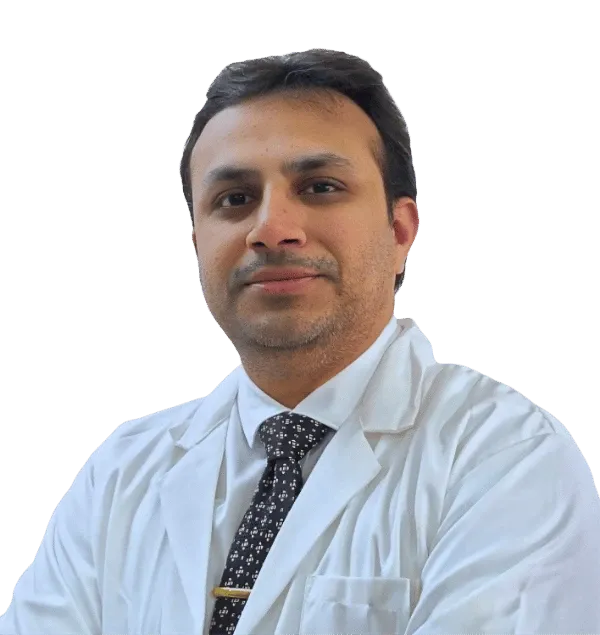
Dr. Chirag Dalal
Orthopedic Arthroscopy & Trauma Surgeon
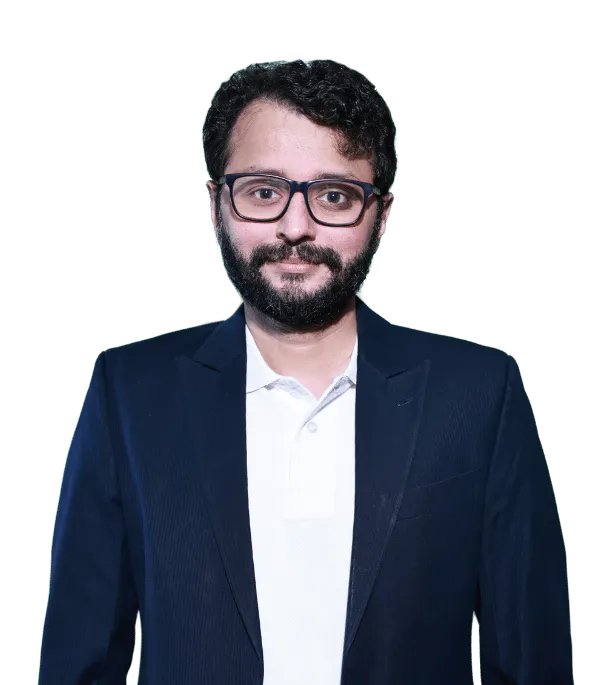
Dr. Mayur Rabhadiya
Robotic Knee & Hip Replacement Surgeon
Dr. Mandar Agashe
Paediatric Orthopedics
Related Treatments
at Shree Hospitals
PRP therapy sits within a broader philosophy of joint preservation at Shree Hospitals — the idea that the right intervention at the right time can delay, minimise, or in some cases prevent surgical reconstruction entirely:
Hyaluronic Acid (Viscosupplementation)
Lubricating joint injections for early to moderate knee osteoarthritis, often combined with PRP.
Arthroscopic Surgery
Minimally invasive joint treatment when structural pathology meniscal tear, loose body — requires direct intervention.
ACL Reconstruction
For ligament injuries where instability has progressed beyond what biologic joint treatment alone can address.
Total Knee / Hip Replacement
Definitive joint reconstruction for patients with Grade 4 disease where biologic options are no longer sufficient.
Step by Step: What Happens During a PRP Therapy Session?
Step 1 — Pre-Treatment Assessment & Imaging Review
Your consultation includes a review of recent MRI or X-ray imaging, a clinical examination of the affected joint, and discussion of your symptom history and previous treatments. We confirm suitability for platelet-rich plasma therapy, discuss realistic outcome expectations, and plan the number of treatment sessions required. Blood tests are reviewed where relevant.
Step 2 — Blood Draw & PRP Centrifugation
A standard venous blood draw of 20 to 60 millilitres is taken from your arm. The blood is placed in proprietary collection tubes and processed in a centrifuge at specific speed and duration settings. This separates the blood into layers the platelet-rich buffy coat layer is isolated and drawn into an injection syringe. The entire process takes 15 to 20 minutes.
Step 3 — Ultrasound-Guided Joint Injection
The target joint or tendon is positioned and the skin cleaned with antiseptic. Local anaesthetic is applied at the injection site. Under continuous ultrasound guidance, the needle is advanced into the precise target location confirmed on ultrasound before any PRP is injected. The growth factor therapy preparation is delivered slowly into the joint space. The needle is removed and a small dressing applied.
Step 4 — Post-Procedure Care & Activity Modification
You are observed briefly and given written post-injection instructions. Avoid strenuous activity for 48 hours post-injection minor aching at the injection site is normal for 24 to 72 hours as the biologic joint treatment response initiates. Anti-inflammatory medication should be avoided for 1 to 2 weeks post-injection. Physiotherapy begins or continues alongside the treatment course. A follow-up appointment is arranged to assess response and plan further sessions if indicated.
Patient Questions About PRP Therapy
How Many PRP Sessions Will I Need?
The number of PRP injection sessions required varies by condition and individual response. For knee osteoarthritis, a course of 2 to 3 injections given 4 weeks apart is the most common protocol providing cumulative biological stimulation of joint tissue repair. For tendinopathy conditions such as chronic Achilles or patellar tendinopathy, 1 to 3 sessions spaced 4 to 6 weeks apart are typical. Response is assessed after the first injection some patients experience significant improvement from a single session, while others benefit from the full course. Your treating physician will advise based on your presentation and early treatment response.
Is PRP Therapy Painful?
The procedure itself involves the discomfort of a standard blood draw and a joint injection under local anaesthesia typically well-tolerated by most patients. It is common to experience a dull aching sensation in the treated joint for 24 to 72 hours post-injection as the platelets initiate the inflammatory healing cascade. This transient discomfort is a sign that the growth factor therapy is working and resolves without specific treatment. Paracetamol may be used for comfort; anti-inflammatory medications should be avoided post-injection.
Can PRP Therapy Replace Knee Replacement Surgery?
In advanced Grade 4 knee osteoarthritis with complete cartilage loss and bone-on-bone contact, PRP therapy is unlikely to deliver meaningful clinical benefit, and joint replacement remains the appropriate treatment. However, for Grade 1 to Grade 3 changes where cartilage is damaged but not completely absent platelet-rich plasma therapy can provide significant pain relief and functional improvement, potentially delaying the need for surgical intervention by several years. Choosing the right treatment for your grade of disease is what our orthopaedic assessment is designed to confirm.

Evidence-Based Case Studies by Our Specialists
Would Recommend Us
"Persistent knee pain was affecting both my daily routine and my passion for running. I wasn't ready for knee replacement surgery and wanted a treatment that would help me stay active. After completing a series of PRP injections, my knee pain reduced significantly over the following months. By my six-month review, I had completed my first half-marathon in three years and was back to enjoying running with renewed confidence."
Mrs. Asha., 52 (Platelet-Rich Plasma Therapy for Knee Osteoarthritis)
"For nearly two years, persistent Achilles pain stopped me from playing sports despite trying physiotherapy, orthotics, and shockwave therapy. I underwent two ultrasound-guided PRP injections along with a structured rehabilitation programme. Within three months, my pain had improved dramatically, and by four months, I was back on the cricket field without the limitations I had experienced before."
Mr. Nilesh, 47 (Ultrasound-Guided PRP Therapy for Achilles Tendinopathy)
"Groin pain and stiffness made walking increasingly uncomfortable, but I wasn't yet ready for hip replacement surgery. I underwent an ultrasound-guided biologic joint injection followed by a supervised strengthening programme. Within weeks, my pain reduced significantly, and I was able to walk more comfortably and return to my daily activities. The improvement continued over the following months, helping me remain active without surgery."
Mrs. Priyanka, 60 (Ultrasound-Guided Biologic Injection for Early Hip Osteoarthritis)
Patient
Resources

Schedule consultation

Billing & Payments

Health Packages

Hospital Facilities
24×7 Emergency Care

1800-268-4000

News & Updates
Shree Hospitals is the first to perform robotic endo surgery.
Shree Hospitals Introduces Advanced Robotic Surgery for Better Patient Care
Shree Hospitals Expands Advanced Surgical Care With Latest Medical Technology
Health Center
Exploring the Future of Telemedicine: What’s Next for Healthcare?
The Rise of Renewable Energy: Innovations in Sustainability
Follow Us

Shree
Hospitals

Shree
Hospitals
