 Ghatkopar (East), Mumbai)

Home >Plastic & Reconstructive Surgery >Skin Cancer Reconstruction
Skin Cancer Reconstruction
Removing a skin cancer is just the beginning. What comes after how the wound is closed, how the function and appearance of the affected area is restored determines the quality of life that follows.
At Shree Hospitals, our plastic surgery team works alongside oncologists and dermatologists to deliver expert skin cancer reconstruction in Mumbai: achieving clear margins, restoring anatomical form, and giving patients back their confidence after cancer excision.
(24×7 Emergency Care)

Our Approach
(24×7 Emergency Care)
Our Approach in Managing Skin Cancer Reconstruction
Clear margins. Functional restoration. Life, rebuilt.
Skin cancer reconstruction demands that two goals be achieved simultaneously: complete tumour clearance and optimal functional-aesthetic restoration. Our oncoplastic team never sacrifices one for the other; reconstruction is planned before excision so that the best outcome is achieved in a single operative event wherever possible.
- Pre-Operative Assessment & Multidisciplinary Planning
Every skin cancer patient is reviewed by our oncoplastic team before surgery:
- Clinical photography and dermoscopy of the lesion; size, margins, and satellite involvement
- Biopsy review; histological subtype, depth (Breslow for melanoma), and margin status from prior biopsy
- Assessment of reconstructive options based on defect size, location, and patient anatomy
- Multidisciplinary tumour board review for high-risk, large, or recurrent tumours
- Wide Local Excision with Clear Margins
Cancer clearance is the non-negotiable first step:
- Margin planning based on tumour type; 3–5mm for BCC, 5–10mm for SCC, 1–2cm for melanoma
- Basal cell carcinoma reconstruction — the most common scenario, particularly on the face
- Intraoperative frozen section or Mohs micrographic surgery to confirm clear margins before closure
- Complete excision of specimen including deep margins in high-risk or recurrent tumours
- Mohs Surgery & Immediate Reconstruction
For high-risk or aesthetically sensitive tumours on the face:
- Mohs surgery and reconstruction specialist in Mumbai India — staged excision with real-time margin verification
- Smallest possible defect achieved by removing only tumour tissue confirmed on microscopy
- Reconstruction begins immediately following confirmation of clear margins
- Most efficient approach for peri-orbital, nasal, lip, and ear cancers
- Local Flap Reconstruction
The first choice for facial skin cancer defects due to superior tissue match:
- Rhomboid flap, bilobed flap, banner flap; for cheek, temple, and forehead defects
- Nasolabial transposition flap for nasal ala and cheek reconstruction
- Abbe and Estlander flaps for lip defects involving the oral commissure
- Oncoplastic skin reconstruction principles; preserve function, respect aesthetic unit boundaries
- Skin Graft Reconstruction
When flap closure is not appropriate or achievable:
- Full-thickness skin graft (FTSG) from pre-auricular, post-auricular, or supraclavicular donor sites for facial defects — best colour and texture match
- Split-thickness skin graft (STSG) for larger trunk or limb defects following melanoma excision and repair
- Primary dressing protocol to optimise graft take — bolster dressings, immobilisation, and pressure
- Graft donor site heals primarily (FTSG) or with dressings (STSG) without significant morbidity
- Complex Regional & Free Flap Reconstruction
For large or full-thickness defects following extensive tumour excision:
- Forehead flap for nasal reconstruction — the gold standard for subtotal nasal defects
- Paramedian forehead flap staged over 3–4 weeks for complete nasal unit reconstruction
- Free flap reconstruction (radial forearm, ALT, or anterolateral thigh) for large defects of the scalp, cheek, or neck following extensive skin cancer excision and flap repair Mumbai
- Prosthetic auricular or orbital reconstruction when surgical reconstruction is not optimal
- Sentinel Node Biopsy & Oncological Follow-Up
For melanoma and high-risk SCC, oncological surveillance is as important as reconstruction:
- Sentinel lymph node biopsy (SLNB) performed at time of wide local excision for melanoma >0.8mm
- PET-CT or CT staging for high-risk melanoma and Merkel cell carcinoma
- Structured dermatology and oncology follow-up at 3-monthly intervals for the first 2 years
- Reconstructed area documented photographically at every follow-up for comparison
Happy Patients & Their Case Stories
"I had a large BCC removed from my nose and was terrified about the appearance afterwards. The reconstruction here using a forehead flap gave me a natural-looking result that exceeded every expectation."
Mrs. Komal R.
"After my melanoma excision left a significant defect on my cheek, the plastic surgery team closed it with a flap that matched my skin colour and texture perfectly. Minimal visible difference."
Mrs . Datta D.
How to Identify Diabetic Skin Cancer Reconstruction ?
Skin cancer presents differently depending on type. The ABCDE rule helps identify suspicious lesions:
ABCDE of Melanoma:
- A — Asymmetry: One half doesn't match the other
- B — Border: Irregular, ragged, or blurred edges
- C — Colour: Variation in colour, shades of brown, black, red, or white within one lesion
- D — Diameter: Larger than 6mm (the size of a pencil eraser), though melanomas can be smaller
- E — Evolution: Any change in size, shape, colour, or any new symptom (bleeding, itching, crusting)
Signs of Basal Cell Carcinoma (BCC):
- Pearly or waxy bump, often with visible blood vessels on the surface
- Flat, flesh-coloured or brown scar-like lesion
- Bleeding or scabbing sore that heals and returns
- Most common on face, ears, and neck — sun-exposed areas
Signs of Squamous Cell Carcinoma (SCC):
- Firm, red nodule or flat lesion with scaly, crusted surface
- New sore or raised area on an old scar
- Rough, scaly patch on the lip or inside the mouth
- Wart-like growth that crusts or bleeds
Any skin lesion that bleeds, doesn't heal within 6 weeks, or changes rapidly requires prompt dermatological and plastic surgical evaluation. Basal cell carcinoma reconstruction outcomes are significantly better with early referral.
Important FAQs: Skin Cancer Reconstruction
What happens to the wound after skin cancer is removed?
The wound is reconstructed immediately at the time of excision in most cases. Depending on the size, location, and depth of the defect, closure may involve direct suturing, a skin graft, a local flap, or a more complex regional or free flap. The reconstruction method is planned before surgery so the best aesthetic and functional outcome is achieved without compromising cancer clearance.
What is Mohs surgery and is it available at Shree Hospitals?
A regular wound in a healthy person heals through predictable phases. A diabetic foot ulcer is characterised by impaired healing at every stage inadequate inflammatory response, poor granulation, and fragile re-epithelialisation. Without specialist intervention, diabetic ulcer debridement and vascular optimisation, these wounds can persist for months and progress to life-threatening infection or osteomyelitis.
Can skin cancer on the face be reconstructed without obvious scarring?
With modern oncoplastic techniques, the vast majority of facial skin cancers can be reconstructed with results that are subtle and well-integrated into natural skin creases and aesthetic unit boundaries. Basal cell carcinoma reconstruction on the nose, eyelids, lips, and ears the most common sites can be achieved with local flaps that provide excellent colour and texture matching. Scars become increasingly inconspicuous over 12–18 months.
What factors increase the risk of skin cancer recurrence?
High-risk factors include incomplete initial excision (positive margins), aggressive histological subtypes (morphoeic BCC, poorly differentiated SCC, thick or ulcerated melanoma), recurrent tumours, and anatomically difficult locations (nose, eyelid, ear). Our team's use of frozen section margin analysis or Mohs surgery significantly reduces recurrence risk. Regular dermatological review and sun protection are the cornerstones of long-term oncoplastic skin reconstruction aftercare.
Can a healed diabetic foot wound come back?
Yes, diabetic foot ulcers have a high recurrence rate (up to 40% within one year) without effective prevention. The reasons are unchanged: ongoing neuropathy, residual pressure points, and poor footwear. Our wound care programme includes chronic wound management aftercare with custom footwear prescription, regular podiatry review, and patient education to significantly reduce recurrence risk.
Treatments For Skin Cancer Reconstruction At Shree Hospitals
Treatments for Skin Cancer Reconstruction at Shree Hospitals Comprehensive skin cancer reconstruction management in Mumbai, including evaluation of post-cancer defects, reconstructive surgery, local flap procedures, skin grafting, scar management, and multidisciplinary care aimed at restoring function, appearance, and quality of life following skin cancer treatment.
Wide Local Excision with Margin Analysis
Surgical removal of the skin cancer with a defined margin of normal tissue the standard treatment for BCC, SCC, and melanoma. Reconstruction is planned and executed simultaneously.
Mohs Micrographic Surgery
Staged tumour removal with immediate margin verification under microscopy tissue-sparing and margin-precise. Ideal for high-risk or cosmetically sensitive tumours on the face.
Local Flap Reconstruction
Adjacent tissue rearrangement to close the cancer excision defect, provides the best colour, texture, and thickness match for facial reconstruction.
Skin Graft (FTSG / STSG)
Transplantation of skin from a donor site to close excision defects, used when local flap options are limited or the defect is on the trunk or limbs.
Top Skin Cancer Reconstructions Specialists in Mumbai

Dr. Suyash Yashwant Patankar
Consultant Plastic, Reconstructive
Dr. Arun V. Sheth
Consultant Plastic, Cosmetic
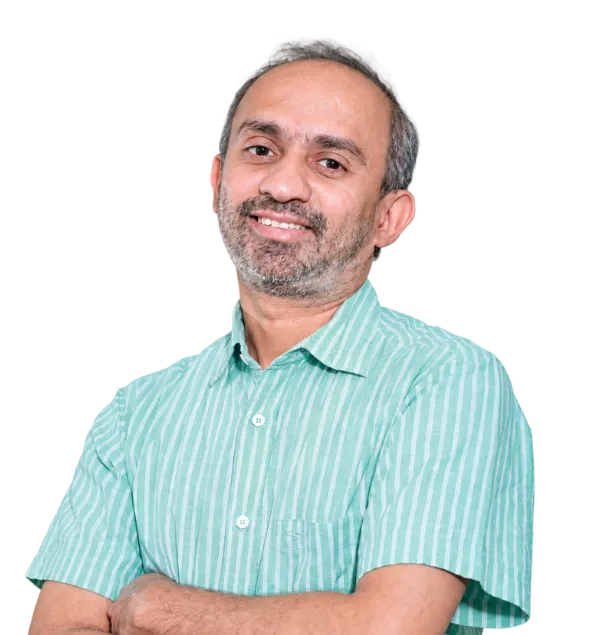
Dr. Abhijeet Dharmaji Sawant
Consultant Plastic, Reconstructive, Aesthetic
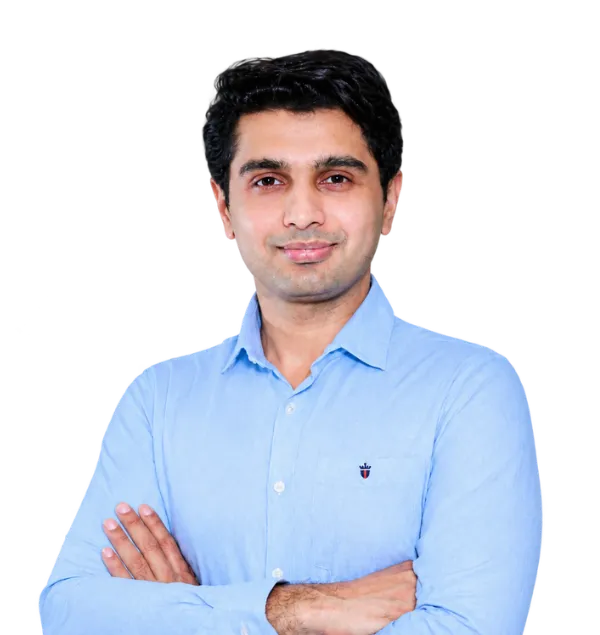
Dr. Udit Dalmia
Consultant Plastic, Aesthetic
Our Teams at Shree Hospitals is board-certified and has an average of 15+ years of clinical experienece.

For Appointment/Query
1800-268-4000

Tele consultation/2nd Opinion
Schedule Consultation

News & Updates
Shree Hospitals is the first to perform robotic endo surgery.
Shree Hospitals Introduces Advanced Robotic Surgery for Better Patient Care
Shree Hospitals Expands Advanced Surgical Care With Latest Medical Technology


