 Ghatkopar (East), Mumbai)

Home >Pulmonology > Tuberculosis (TB)
Tuberculosis (TB)
India carries the highest TB burden of any country in the world - approximately 2.8 million new cases every year. Mumbai, with its population density, housing patterns, and commuter flows, sits at the epicentre of that burden. Tuberculosis is curable. Fully, reliably, and repeatedly - but only when diagnosed correctly, treated with the right regimen, and completed without interruption. Treatment failure and drug resistance are almost always the consequence of inadequate treatment, not inadequate biology. At Shree Hospitals, our tuberculosis treatment in Mumbai follows the full pathway - from first sputum to treatment completion, drug resistance identification, and contact tracing - because the individual patient and the public health dimension of TB cannot be separated.
(24×7 Emergency Care)
Our Approach
(24×7 Emergency Care)
Our Approach in Managing Tuberculosis
TB management in Mumbai in 2025 is not the TB management of a decade ago. Rapid molecular diagnostics have changed timelines. Newer anti-TB therapy options have changed what is possible in drug-resistant disease. And the integration of nutrition, HIV testing, and contact screening has changed what a complete TB care programme looks like. Our TB specialist pulmonologist team in Mumbai, India delivers all of it as a coordinated programme, not a prescription and a discharge.
- Diagnosis - Microbiological Confirmation
TB is a clinical and microbiological diagnosis. Clinical suspicion must be confirmed before treatment is started.
- Sputum smear microscopy - rapid, widely available; sensitivity 40–60% in pulmonary TB; still the first-line test in resource-limited settings
- GeneXpert MTB/RIF (CBNAAT) - detects M. tuberculosis DNA and rifampicin resistance simultaneously within 2 hours; now standard of care at Shree Hospitals
- GeneXpert Ultra - increased sensitivity for smear-negative and paucibacillary TB
- Culture on MGIT liquid medium - gold standard; detects all drug sensitivities; results in 2–6 weeks
- First- and second-line DST (Drug Sensitivity Testing) - mandatory when GeneXpert detects rifampicin resistance
- HRCT chest - identifies cavities, nodular-bronchogenic spread, miliary pattern, mediastinal lymphadenopathy
- Mantoux test (TST) and IGRA (Interferon Gamma Release Assay) - for latent TB infection identification in contacts and immunocompromised patients
- First-Line Anti-TB Therapy - Standard Regimen
- 2HRZE / 4HR (6-month regimen): Isoniazid, Rifampicin, Pyrazinamide, Ethambutol for 2 months, followed by Isoniazid and Rifampicin for 4 months
- Fixed-dose combination (FDC) tablets - preferred over individual drugs; improves adherence and reduces prescription error
- Directly Observed Treatment - Short Course (DOTS): a DOT supporter witnesses each dose in the initial intensive phase
- Pyridoxine (Vitamin B6) - mandatory with Isoniazid to prevent peripheral neuropathy
- Baseline liver function, uric acid, and visual acuity - before starting treatment; monthly monitoring
- Drug-Resistant TB - MDR and XDR
Drug resistant TB diagnosis and management is one of the most complex challenges in modern infectious disease.
- MDR-TB: resistant to at least Isoniazid and Rifampicin; prevalence in new TB cases in India approximately 2–3%; rising in retreatment cases
- XDR-TB: MDR-TB plus resistance to fluoroquinolones and at least one injectable agent
- New BPaL regimen (Bedaquiline + Pretomanid + Linezolid) - 26-week all-oral regimen for XDR-TB and treatment-intolerant MDR-TB; significantly superior outcomes to previous injectable-based regimens
- BPaLM (BPaL + Moxifloxacin) - for MDR-TB without fluoroquinolone resistance; 6-month regimen under WHO operational research
- Bedaquiline - inhibits ATP synthase; bactericidal; QTc monitoring mandatory
- Linezolid - potent but associated with peripheral neuropathy, myelosuppression; dose and duration optimisation critical
- Extrapulmonary TB
TB is not confined to the lungs - approximately 20% of Indian TB cases are extrapulmonary.
- TB meningitis - the most dangerous form; dexamethasone added to anti-TB therapy is mandatory; 12-month regimen
- TB pleural effusion - pleural fluid ADA, culture; treated with standard 6-month regimen ± corticosteroids
- Spinal TB (Pott's disease) - MRI spine for diagnosis; surgical decompression for neurological compromise; 9–12 month regimen
- Lymph node TB - FNAC or excision biopsy for diagnosis; standard 6-month regimen
- Abdominal TB - ileocaecal most common; colonoscopy and biopsy; 6-month regimen
- Genitourinary TB - urine culture for AFB; early diagnosis prevents irreversible renal damage
- Latent TB Infection Management
Latent TB infection - IGRA or TST positive without active disease - is not harmless. 5–10% of latent infections reactivate over a lifetime.
- Indications for latent TB treatment: HIV-positive, immunosuppressed (biologics, transplant, steroids), close household contacts of active TB cases, healthcare workers
- 6H regimen: 6 months Isoniazid daily - standard
- 3HP regimen: 3 months weekly Isoniazid + Rifapentine - superior completion rates, equivalent efficacy
- 4R regimen: 4 months Rifampicin - for INH-intolerant patients
- Exclude active TB before starting latent treatment - mandatory
- Nutrition, HIV & Contact Screening
- Nutritional support - TB is a catabolic disease; malnutrition worsens outcomes; Nikshay Poshan Yojana provides nutritional support in India's national programme
- HIV testing - mandatory for all TB patients; co-treatment of TB-HIV requires specific timing (TB treatment first, ART within 2 weeks for CD4 <50)
- Contact screening - household contacts evaluated for active and latent TB infection; children under 5 in contact with smear-positive TB receive prophylactic Isoniazid regardless of TST result
- Adverse drug reaction monitoring - hepatotoxicity (DILI) is the most common serious complication; suspend treatment and restart sequentially if LFTs exceed 3× ULN
Happy Patients & Their Case Stories
Presented with six weeks of productive cough, evening fever, and 8kg weight loss. Sputum smear was positive. GeneXpert confirmed M. tuberculosis with no rifampicin resistance detected. He was started on standard 2HRZE/4HR regimen under DOT support. His sputum converted to smear-negative at month two.
Mr. Shyamrao . L
A nurse who had received TB treatment two years earlier and represented with cough and weight loss. GeneXpert on sputum detected rifampicin resistance. Full DST confirmed MDR-TB. She was started on the BPaLM regimen under close monitoring - QTc, peripheral nerve function, and monthly LFTs.
Mr. Devi . P
How to Identify the Cause of Tuberculosis?
The most important diagnostic step in TB is suspecting it. Once suspected, confirming it is straightforward with the right tests.
Situations where TB must be actively excluded:
- Cough lasting more than 2 weeks - in Mumbai, TB is among the first differentials
- Night sweats, low-grade fever, and weight loss together - the classic constitutional triad of pulmonary TB symptoms
- Haemoptysis in any quantity - regardless of the patient's age or exposure history
- Chest X-ray showing upper lobe infiltrates, cavities, or nodular shadowing
- A household or close contact recently diagnosed with active TB - screening cannot wait for symptoms
- Immunocompromised patient - HIV-positive, on TNF-alpha inhibitors, post-transplant - with any respiratory symptom
- Lymph node enlargement that is unexplained and persisting for more than 3 weeks
Latent TB infection carries no symptoms - it is identified only through IGRA or TST testing in appropriate risk groups. If you are in a high-risk group and have never been tested, that is the starting point. If symptoms are present, sputum GeneXpert is the fastest route to diagnosis. Seek tuberculosis treatment in Mumbai at a centre equipped with molecular diagnostics, drug resistance testing, and a complete treatment support programme - not just a prescription.
Important FAQs : Tuberculosis
Is TB completely curable?
Drug-sensitive TB is curable in virtually 100% of patients who complete the full treatment course. MDR-TB is curable in 75–85% of cases with newer regimens like BPaLM.
How long is TB treatment?
Drug-sensitive TB: 6 months. MDR-TB: 6 months with the BPaL/BPaLM regimen. TB meningitis and spinal TB: 9–12 months. Treatment must not be stopped early, even when symptoms resolve.
Can TB spread through casual contact?
TB spreads through airborne droplets from a smear-positive pulmonary TB patient. Prolonged close contact - household, workplace - carries significant transmission risk. Casual contact in open spaces is low risk.
What happens if TB treatment is interrupted?
Interruption risks treatment failure, relapse, and the development of drug resistance. If a dose is missed, it should be taken as soon as remembered - but treatment should never be stopped independently.
Can TB affect organs other than the lungs?
Yes - extrapulmonary TB affects lymph nodes, spine, pleura, abdomen, kidneys, meninges, and joints. It accounts for approximately 20% of TB cases in India.
Treatments for Tuberculosis at Shree Hospitals
Comprehensive drug resistant TB diagnosis and management in Mumbai across drug-sensitive, MDR, and extrapulmonary TB.
GeneXpert MTB/RIF Molecular Diagnostics
Rapid 2-hour diagnosis with simultaneous rifampicin resistance detection - replacing smear microscopy as the first diagnostic step for all presumptive TB patients at Shree Hospitals.
Top TB & Pulmonology Specialists in Mumbai

Dr. Jay Bhanushali
Pulmonologist

Dr. Tejal Shah
Interventional Pulmonology, Tuberculosis Management

Dr. Miti A Shah
Interventional Pulmonology, Pediatric Respiratory
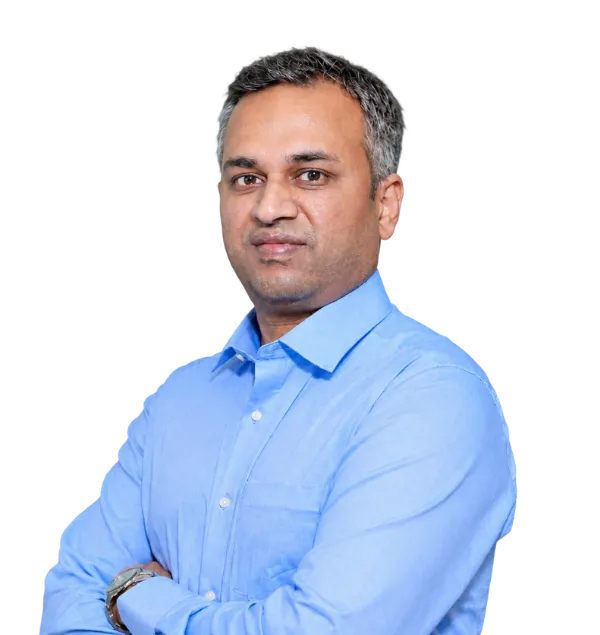
Dr. Rishabh Raj
Interventional Pulmonology, Sleep Medicine
Every doctor and specialist at Shree Hospitals is board-certified and brings an average of 15 or more years of clinical experience in their area of subspecialty.

For Appointment/Query
1800-268-4000

Tele consultation/2nd Opinion
Schedule Consultation

News & Updates
Shree Hospitals is the first to perform robotic endo surgery.
Shree Hospitals Introduces Advanced Robotic Surgery for Better Patient Care
Shree Hospitals Expands Advanced Surgical Care With Latest Medical Technology


