 Ghatkopar (East), Mumbai)

Home > Radiology & Diagnostics Joint Injuries
Joint Injuries
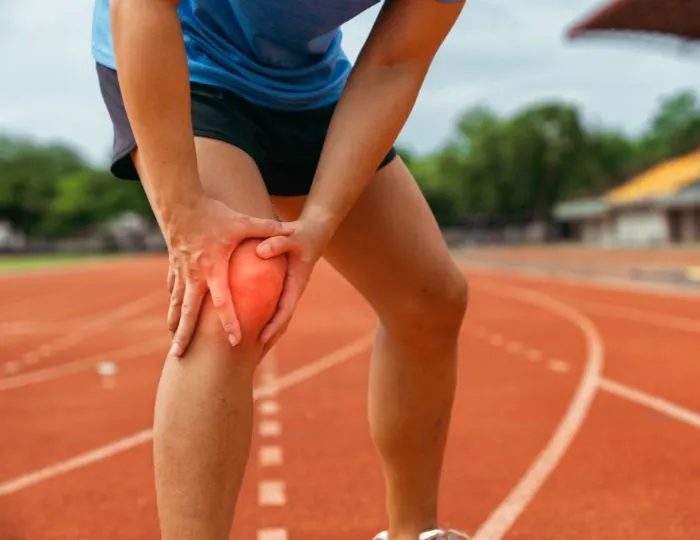
A twisted knee on the football field, a fall onto an outstretched arm, or a sudden shoulder pop during a gym session - joint injuries happen in an instant but can affect mobility and quality of life for months if not properly diagnosed and treated. From ligament tears to cartilage damage, accurate diagnosis is the foundation of effective recovery. At Shree Hospitals, our experienced orthopaedic sports specialists provide comprehensive Joint Injury treatment in Mumbai, India - combining precise sports injury MRI diagnosis and orthopaedic care in Mumbai with expert ligament and meniscus tear evaluation and management that gets patients back to the activities they love.
(24×7 Emergency Care)
(24×7 Emergency Care)
Our Approach
(24×7 Emergency Care)
Our Approach to Diagnosing Joint Injuries
Diagnose precisely. Treat appropriately. Return to activity confidently.
The biggest mistake in joint injury management is treating every sprain, strain, or twist identically - applying rest and basic physiotherapy without ever confirming whether there is a significant structural injury underneath the surface symptoms. A complete ACL tear, a displaced meniscus fragment, or a full-thickness rotator cuff tear simply will not heal with rest alone, no matter how much time is allowed to pass - and delayed diagnosis of these injuries often leads to worse long-term outcomes and more complex eventual treatment.
At Shree Hospitals, our approach to ligament and meniscus tear evaluation and management is built around accurate, timely diagnosis from the very first assessment. Our orthopaedic sports specialists combine careful clinical examination with appropriately selected imaging, ensuring that significant structural injuries are identified early - while patients with simple strains avoid unnecessary over-investigation.
- Detailed Clinical Assessment
- Mechanism of injury history - the specific movement or force involved provides crucial diagnostic clues about likely structures affected
- Systematic joint examination - assessing range of motion, stability testing, and specific provocative manoeuvres for each joint and suspected injury pattern
- Specific ligament stability tests - Lachman test and anterior drawer for ACL assessment, varus/valgus stress testing for collateral ligaments
- Meniscal testing - McMurray's test and joint line tenderness assessment for suspected meniscal pathology
- Shoulder-specific testing - impingement signs, rotator cuff strength testing, and instability assessment for suspected ACL and rotator cuff injury presentations
- Advanced Imaging
- X-ray - first-line imaging excluding fracture and assessing joint alignment, essential before any further evaluation
- MRI joint - the gold-standard imaging technique for soft tissue injury, providing detailed visualisation of ligaments, tendons, cartilage, and menisci
- High-resolution sports injury MRI diagnosis and orthopaedic care in Mumbai protocols specifically optimised for each joint, maximising diagnostic accuracy
- Ultrasound - useful for dynamic assessment of tendon injuries and guided diagnostic or therapeutic injections
- CT imaging for complex fracture patterns requiring detailed three-dimensional surgical planning
- Diagnostic Arthroscopy
For cases where imaging remains inconclusive or direct visualisation is needed:
- Arthroscopy diagnostic procedure - minimally invasive camera-guided examination directly visualising joint structures
- Particularly valuable for assessing cartilage damage extent not always fully characterised on MRI
- Combined diagnostic and therapeutic capability - many injuries identified during diagnostic arthroscopy can be treated within the same procedure
- Day-care procedure with rapid recovery, providing both definitive diagnosis and immediate treatment opportunity
- Sport-Specific & Activity-Specific Assessment
- Detailed functional assessment relevant to the patient's specific sport or activity demands
- Biomechanical evaluation identifying any contributing factors - movement pattern issues that may have contributed to the injury
- Return-to-sport criteria established from the outset, providing clear milestones throughout the recovery journey
- Coordination with physiotherapy and sports science input for comprehensive rehabilitation planning
- Grading & Severity Classification
- Ligament injuries graded I to III based on severity - directly determining whether conservative management or surgical reconstruction is appropriate
- Meniscal tear pattern classification - location, size, and tear type significantly influencing repair feasibility and treatment approach
- Rotator cuff tear classification - partial versus full-thickness, and tear size, guiding the choice between conservative and surgical management
- Clear communication of grading and its implications, helping patients understand their specific injury and realistic recovery timeline
- Multidisciplinary Treatment Planning
- Direct, same-visit access to our orthopaedic sports specialist team following diagnostic confirmation
- Coordinated physiotherapy assessment integrated into the initial treatment planning process
- Clear discussion of conservative versus surgical treatment options, with realistic expectations set for each pathway
- Structured follow-up ensuring appropriate progression through rehabilitation as part of comprehensive Joint Injury treatment in Mumbai, India
Happy Patients & Their Case Stories
A 24-year-old amateur footballer from Andheri felt his knee give way during a match. Sports injury MRI diagnosis and orthopaedic care in Mumbai at Shree Hospitals confirmed a complete ACL tear - surgical reconstruction and structured rehabilitation had him back on the pitch within nine months.
Mr. Yogesh
A 50-year-old badminton enthusiast had persistent knee symptoms despite normal MRI findings. Arthroscopy diagnostic procedure at Shree Hospitals identified subtle cartilage damage not fully visible on imaging, allowing targeted treatment and a full return to his sport.
Mr. Kalam
How to Identify a Significant Joint Injury?
Distinguishing a minor strain from a significant structural injury requiring specialist evaluation can be challenging - these signs suggest the latter:
- A popping or tearing sensation at the time of injury - often associated with significant ligament injuries such as ACL tears, frequently described vividly by patients
- Immediate significant swelling - particularly within the first few hours, suggesting more substantial internal joint injury rather than a simple strain
- Inability to bear weight or use the joint normally - a strong indicator of significant structural injury warranting prompt assessment
- A feeling of instability or "giving way" - particularly in the knee, classically associated with ligament injury affecting joint stability
- Locking or catching sensation - suggesting a displaced meniscal fragment or loose cartilage body within the joint
- Persistent pain beyond the expected timeframe for a simple sprain - typically beyond 1 to 2 weeks without meaningful improvement
- Visible deformity - requiring immediate emergency assessment to exclude fracture or dislocation
- Significant bruising spreading beyond the immediate injury site - suggesting more extensive soft tissue or vascular injury
Any joint injury with these features warrants prompt specialist evaluation rather than a "wait and see" approach. For Joint Injury treatment in Mumbai, India, early accurate diagnosis significantly improves treatment outcomes and recovery timelines.
Treatments for Joint Injuries at Shree Hospitals
Structured Physiotherapy & Conservative Management
For appropriate ligament sprains, partial tears, and many overuse injuries, targeted physiotherapy rehabilitation achieves excellent outcomes without surgery - guided throughout by our orthopaedic sports specialist team.
Arthroscopic Ligament Reconstruction
For complete ACL or other significant ligament tears, minimally invasive arthroscopic reconstruction using graft tissue restores joint stability - a core technique within ligament and meniscus tear evaluation and management at Shree Hospitals.
Arthroscopic Meniscal Repair
Preserving meniscal tissue wherever the tear pattern allows, arthroscopic repair maintains long-term joint health better than removal - performed through our standard arthroscopy diagnostic procedure approach with immediate treatment capability.
Rotator Cuff Repair
For significant ACL and rotator cuff injury presentations affecting the shoulder, arthroscopic rotator cuff repair restores function for full-thickness tears not responding to conservative management.
Top Orthopaedic Specialists In Mumbai

Dr. Rajit Shah
Radiologist
Dr. Anil Ramdas
Senior Consultant Pathologist & Histopathologist
Dr. Ashish Agrahari
Senior Consultant Pathologist in Mumbai
Dr. Swati Narurkar
Consultant Interventional Radiologist & Vascular
Every doctor and specialist at Shree Hospitals is board-certified and brings an average of 15 or more years of clinical experience in their area of subspecialty.

For Appointment/Query
1800-268-4000

Tele consultation/2nd Opinion
Schedule Consultation
Important FAQs: Joint Injuries
Do I need an MRI for every joint injury?
Not necessarily - many simple sprains are managed with clinical assessment alone. MRI is recommended when significant ligament, meniscal, or cartilage injury is suspected based on examination, as part of targeted sports injury MRI diagnosis and orthopaedic care in Mumbai.
Can a torn ACL heal without surgery?
The ACL itself does not heal once completely torn, as it lacks adequate blood supply for repair. Some patients, particularly less active individuals, can function well without reconstruction, but most active patients benefit from surgical treatment as part of ligament and meniscus tear evaluation and management.
How long is recovery after ACL reconstruction?
Recovery typically takes 6 to 9 months for return to pivoting sports, following a structured rehabilitation programme with progressive milestones. Our orthopaedic sports specialist team guides this process closely throughout treatment.
Is arthroscopy a major surgery?
Arthroscopy diagnostic procedure is minimally invasive, performed through small incisions with a camera and specialised instruments. Recovery is generally faster than open surgery, with many patients going home the same day.
When should I seek specialist care after a joint injury?
Significant swelling, instability, locking, or inability to bear weight following any joint injury warrants prompt specialist evaluation. For Joint Injury treatment in Mumbai, India, our team offers rapid assessment with same-week MRI access where indicated.
(24×7 Emergency Care)

News & Updates
Shree Hospitals is the first to perform robotic endo surgery.
Shree Hospitals Introduces Advanced Robotic Surgery for Better Patient Care
Shree Hospitals Expands Advanced Surgical Care With Latest Medical Technology


