 Ghatkopar (East), Mumbai)


Home > Cardiac Sciences > Hypertensive Heart Disease
Hypertensive Heart Disease
High blood pressure is one of the most common conditions in the world, yet its impact on the heart remains dangerously underestimated. When left uncontrolled, chronic hypertension heart risk compounds silently over years, thickening the heart walls, straining the coronary arteries, and ultimately triggering heart failure, arrhythmia, or cardiac arrest. At Shree Hospitals, our experienced blood pressure specialists offer targeted Hypertensive Heart Disease treatment in Mumbai, India, combining precise diagnostics, aggressive risk management, and long-term cardiac protection strategies tailored to every patient's profile.
(24×7 Emergency Care)
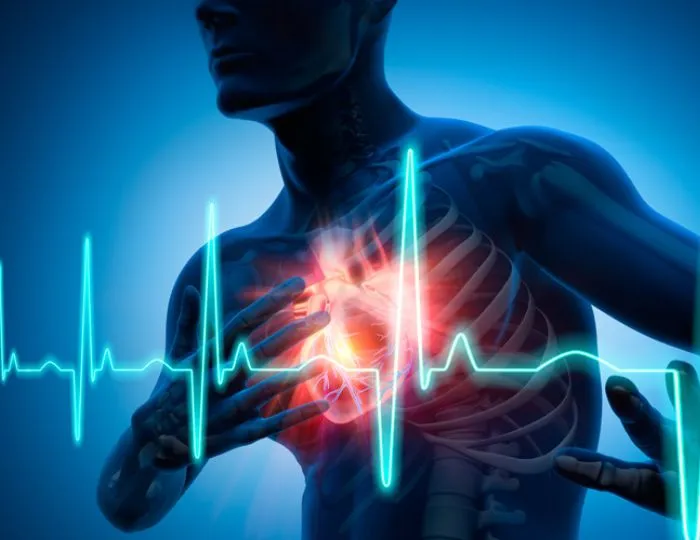
Our Approach
(24×7 Emergency Care)
Our Approach to Managing Hypertensive Heart Disease
Control the pressure. Protect the heart. Prevent the crisis.
Hypertensive Heart Disease is not a single event, it is the cumulative result of years of elevated pressure forcing the heart to work harder than it should. Over time, this sustained overload causes left ventricular hypertrophy, stiffens the arteries, impairs the heart's relaxation and pumping function, and sets the stage for serious cardiac complications. The challenge is that most patients feel perfectly fine, until they don't.
At Shree Hospitals, our approach to high blood pressure cardiac complication management in Mumbai begins long before a crisis occurs. We identify at-risk patients early, quantify the degree of hypertension-related heart damage, and intervene with a structured, evidence-based plan that addresses both blood pressure control and cardiac protection simultaneously.
- Comprehensive Cardiovascular Risk Assessment
- Detailed blood pressure profiling including 24-hour ambulatory BP monitoring (ABPM)
- Echocardiography to detect and grade left ventricular hypertrophy and diastolic dysfunction
- Fundoscopy and renal function tests to assess end-organ damage beyond the heart
- Fasting lipid profile, HbA1c, and uric acid for complete metabolic risk stratification
- Carotid intima-media thickness measurement to evaluate arterial wall changes
- Personalised Antihypertensive Therapy
No two patients respond identically to blood pressure medication. Our blood pressure specialists design individualised regimens based on BP severity, comorbidities, and cardiac function:
- ACE inhibitors and ARBs, first-line agents that reduce BP and protect against hypertension-related heart damage diagnosis and care
- Beta-blockers for patients with coexisting coronary artery disease or arrhythmia
- Calcium channel blockers and diuretics for resistant or volume-overloaded hypertension
- Combination therapy when single-agent control is insufficient, titrated carefully with regular monitoring
- Managing Left Ventricular Hypertrophy
Left ventricular hypertrophy is the heart's response to sustained pressure overload, and its regression with treatment is one of the most important markers of cardiac protection:
- Targeted antihypertensive therapy proven to reverse LVH, particularly ARBs and ACE inhibitors
- Serial echocardiography to track LV mass reduction over time
- Diastolic dysfunction management to prevent progression to heart failure with preserved ejection fraction (HFpEF)
- Hypertensive Emergency & Urgency Management
When blood pressure spikes dangerously, above 180/120 mmHg with symptoms, it becomes a cardiac emergency:
- IV antihypertensive therapy for controlled, monitored BP reduction in our Cardiac ICU
- Target-organ damage assessment including ECG, chest X-ray, urine analysis, and neurological review
- Continuous monitoring until BP is safely stabilised, preventing stroke, aortic dissection, or acute heart failure
- Complication-Specific Cardiac Care
Hypertensive Heart Disease treatment in Mumbai, India at Shree Hospitals extends to managing all downstream complications:
- Heart failure management for patients with hypertension-induced systolic or diastolic dysfunction
- Coronary artery disease treatment when chronic hypertension heart risk has caused significant arterial narrowing
- Arrhythmia management, particularly atrial fibrillation, which is strongly linked to longstanding hypertension
- Stroke prevention and anticoagulation for patients with hypertension-driven AF
- Lifestyle Modification & Long-Term Prevention
Medication alone cannot fully manage high blood pressure cardiac complication management in Mumbai without parallel lifestyle change:
- Structured dietary counselling, DASH diet principles, sodium restriction below 2g/day
- Supervised exercise programme, aerobic activity as a cornerstone of BP reduction
- Stress management and sleep hygiene coaching, both proven contributors to BP elevation
- Smoking cessation and alcohol reduction support for comprehensive cardiovascular risk control
How to Identify Hypertensive Heart Disease?
What makes Hypertensive Heart Disease particularly dangerous is how quietly it progresses. Many patients carry the diagnosis of high blood pressure for years without realising the damage accumulating in their heart. These are the signs that should never be overlooked:
- Persistent headaches or a heavy feeling at the back of the head, especially in the morning, a classic signal of uncontrolled BP
- Breathlessness during routine activities, climbing stairs, walking briskly, or even light housework becoming disproportionately tiring
- Chest tightness or discomfort, the thickened, stiffened heart muscle demands more oxygen than narrowed vessels can supply
- Palpitations or awareness of heartbeat, left ventricular hypertrophy and associated electrical changes frequently trigger arrhythmias
- Swelling in the feet or ankles, fluid retention signalling the heart's declining ability to manage circulatory load
- Frequent dizziness or visual disturbances, end-organ effects of persistently elevated pressure reaching the eyes and brain
- Waking at night to pass urine, an underappreciated sign of nocturnal hypertension and early cardiac dysfunction in patients with chronic hypertension heart risk
If you have a long history of high blood pressure and notice any of these symptoms developing or worsening, do not attribute them to age or stress alone. Our blood pressure specialists at Shree Hospitals provide same-day assessments with full cardiac imaging.
Important FAQs: Hypertensive Heart Disease
What are the most common types of valvular heart disease seen in India?
Rheumatic mitral stenosis remains the most prevalent, particularly in younger patients with a history of rheumatic fever. Degenerative aortic stenosis is increasingly common in older adults. Both forms of valve stenosis and regurgitation are routinely managed at Shree Hospitals.
How serious is valvular heart disease if left untreated?
Untreated severe valve disease leads to progressive heart failure, dangerous arrhythmias, and significantly shortened life expectancy. Early cardiac valve disorder diagnosis and surgical care dramatically improves outcomes and quality of life.
How is valvular heart disease diagnosed at Shree Hospitals?
Echocardiography is the primary tool, transthoracic for initial assessment and transoesophageal for detailed structural imaging. Cardiac CT and MRI are added for pre-surgical planning as part of our advanced heart valve repair and replacement in Mumbai programme.
Is open-heart surgery always necessary for valve disease?
Not at all. Balloon valvotomy, MitraClip, and TAVR are catheter-based transcatheter valve procedures that treat significant valve disease without open surgery, ideal for elderly or high-risk patients seeking effective treatment with minimal recovery time.
When should I consult a specialist for valve-related symptoms?
Any new breathlessness, unexplained fatigue, chest discomfort, or a newly detected heart murmur warrants prompt evaluation. For Valvular Heart Disease treatment in Mumbai, India, our structural heart specialists offer comprehensive assessment with same-day echocardiography.
Treatments for Hypertensive Heart Disease at Shree Hospitals
Treatment of Hypertensive Heart Disease requires a dual focus, bringing blood pressure under lasting control while simultaneously addressing the cardiac damage already done. Our blood pressure specialists and cardiologists work in close collaboration to deliver both goals within a unified care plan.
Optimised Antihypertensive Medical Therapy
The foundation of high blood pressure cardiac complication management in Mumbai. A carefully selected combination of ACE inhibitors, ARBs, beta-blockers, calcium channel blockers, and diuretics is prescribed, monitored, and adjusted over time
Heart Failure Management
For patients where hypertension-related heart damage diagnosis and care reveals established systolic or diastolic heart failure, a dedicated heart failure treatment programme is initiated, including neurohormonal blockade, fluid management, device therapy where indicated, and cardiac rehabilitation.
Renal Denervation (For Resistant Hypertension)
In patients whose blood pressure remains uncontrolled despite three or more medications, catheter-based renal denervation offers a minimally invasive option to interrupt the nerve signals driving persistent hypertension, an advanced component of Hypertensive Heart Disease treatment in Mumbai, India.
Top Heart Specialists in Mumbai

Dr. Anmol Sonawane
Interventional Cardiologist, TAVI & Structural Heart Specialist

Dr. Chirag Parikh
Consultant Interventional Cardiologist
Dr. Komal Pawar
Consultant Interventional Cardiologist

Dr. Vaibhav Shah
Cardio Thoracic Surgeon
Every Surgeon & Specialist at Shree Hospitals brings years of specialised experience to each case.

For Appointment/Query
1800-268-4000

Tele consultation/2nd Opinion
Schedule Consultation

News & Updates
Shree Hospitals Expands Paediatric Surgical Care With Latest Technology
Shree Hospitals Installs a Robotic-Assisted Surgical System for Better Patient Care


