 Ghatkopar (East), Mumbai)


Colon Cancer
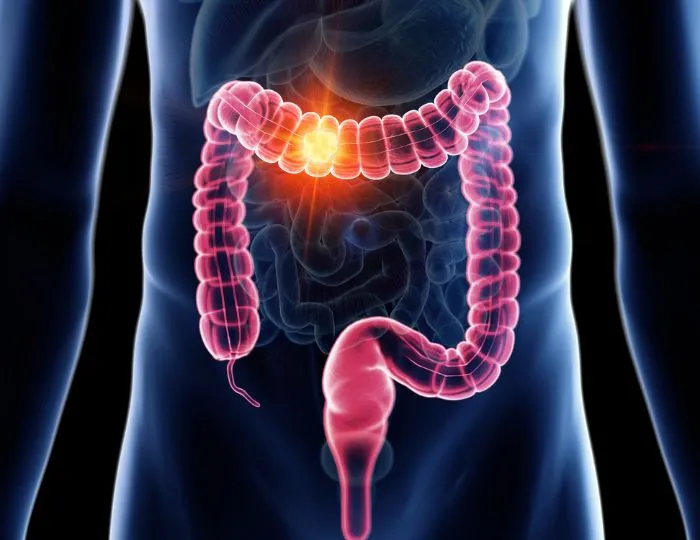
The colon the final stretch of the digestive tract is where some of the most preventable and treatable cancers begin. At Shree Hospitals, our colorectal oncology team offers the complete continuum of colon cancer treatment in Mumbai India, from colonoscopic polypectomy through to complex open or laparoscopic surgical resection and post-operative chemotherapy. Caught early, colon cancer is among the most curable of all solid tumour cancers.
(24×7 Emergency Care)
Our Approach
(24×7 Emergency Care)
Our Approach to Managing Colon Cancer
Colon cancer grows silently often for years before symptoms appear. This is what makes screening so powerful and why our team at Shree Hospitals places equal emphasis on early detection as on treatment. Our colon cancer specialists in Mumbai bring together surgical, medical, and radiation oncology expertise to individualise every treatment plan through our dedicated gastrointestinal tumour board.
1. Diagnosis & Staging
Getting the diagnosis right is the foundation of everything:
- Colonoscopy with biopsy — the gold standard for diagnosis and localisation
- CT colonography for patients unable to tolerate conventional colonoscopy
- Contrast-enhanced CT of chest, abdomen, and pelvis for staging
- PET-CT scan in select cases to rule out distant spread
- Carcinoembryonic antigen (CEA) baseline measurement for monitoring
2. Surgical Resection
Surgery is the primary treatment for most localised colon cancers:
- Right hemicolectomy, left hemicolectomy, or sigmoid colectomy depending on tumour location
- Laparoscopic (minimally invasive) colectomy preferred less pain, quicker recovery, equivalent outcomes
- Complete mesocolic excision (CME) performed for optimal lymph node clearance
- Stoma formation when required with dedicated
- Stoma nurse counselling pre- and post-op
3. Adjuvant Chemotherapy
Post-surgical chemotherapy reduces the risk of cancer returning:
- FOLFOX or CAPOX regimens — standard for Stage III colon cancer
- Stage II high-risk patients assessed individually for chemotherapy benefit
- Oral capecitabine as a convenient option for eligible patients
- Duration typically 3–6 months depending on regimen and risk
4. Targeted Therapy & Immunotherapy
For advanced or metastatic colon cancer, newer agents improve survival:
- Anti-VEGF therapy (bevacizumab) to cut off tumour blood supply
- Anti-EGFR agents (cetuximab, panitumumab) for RAS wild-type tumours
- Immunotherapy (pembrolizumab) for MSI-High / dMMR colorectal cancers
- Part of comprehensive colorectal cancer care for Stage IV disease
5. Management of Liver Metastases
The liver is the most common site of spread in colon cancer:
- Surgical resection of liver metastases when technically feasible
- Ablation therapies (RFA, microwave) for smaller liver lesions
- Downstaging with chemotherapy to convert initially inoperable metastases to operable
- Multidisciplinary planning between colorectal and hepatobiliary surgical teams
6. Surveillance & Long-Term Follow-Up
After curative treatment, structured surveillance catches recurrence early:
- Bowel cancer screening colonoscopy at 1 year and then every 3–5 years
- CEA monitoring at 3-monthly intervals for first 3 years
- Annual CT scans for 3–5 years post-surgery
- Lifestyle optimisation: dietary fibre, physical activity, weight management
How To Identify Colon Cancer
HOW TO IDENTIFY COLON CANCER?
Colon cancer often produces no symptoms until it has grown significantly. Recognising early warning signs and participating in bowel cancer screening is the most effective strategy:
- Blood in stool — either bright red or dark/tarry — should never be ignored
- Persistent change in bowel habits — diarrhoea, constipation, or narrowed stools lasting more than a few weeks
- Unexplained abdominal pain or cramping that is new and persistent
- Sensation of incomplete emptying after a bowel movement
- Unexplained weight loss and loss of appetite
- Fatigue and anaemia — often the first clue in right-sided colon cancers that bleed slowly
- Abdominal bloating or distension without an obvious dietary cause
Anyone over 45, or younger with a family history of colon cancer or polyps, should speak to a colon cancer specialist in Mumbai about colonoscopy screening.
Important FAQs: Breast Cancer
What is the difference between colon cancer and rectal cancer?
Both are colorectal cancers, but they behave and are treated differently. Colon cancer develops in the large intestine above the rectum. Treatment is primarily surgical followed by chemotherapy. Rectal cancer often requires radiation as part of the treatment plan.
At what age should I start colon cancer screening?
Average-risk individuals should begin at age 45. Those with a family history of colon cancer or polyps, or with conditions like inflammatory bowel disease, should begin earlier. Our specialists will assess your individual risk.
Does colon cancer always require a colostomy bag?
Not always. Most colon cancers can be treated with resection and reconnection of the bowel, preserving normal function. Stoma formation is needed in specific situations — your surgeon will discuss this with you before the procedure.
Can colon cancer come back after surgery?
Yes — recurrence is possible, which is why structured surveillance is essential. Approximately 20–30% of Stage III patients may see recurrence within 5 years. Early detection of recurrence significantly improves salvage treatment options.
What are the risk factors for colon cancer?
Age over 50, family history, personal history of polyps, inflammatory bowel disease (Crohn's or ulcerative colitis), a diet high in red/processed meat, obesity, smoking, and low physical activity are all established risk factors.
Is colon cancer hereditary?
In about 5–10% of cases, colon cancer is linked to inherited conditions like Lynch syndrome or Familial Adenomatous Polyposis (FAP). Genetic counselling is available at Shree Hospitals for families with a pattern of early-onset or multiple cases.
Treatments For Colon Cancer at Shree Hospitals
We offer a complete range of colon cancer treatment services including advanced screening and diagnosis, personalised treatment plans, minimally invasive and robotic colorectal surgery, chemotherapy, radiation therapy (where indicated), targeted therapy, immunotherapy, nutritional and rehabilitation support, and long-term survivorship care designed to help patients achieve the best possible outcomes.
Laparoscopic Colectomy
Minimally invasive removal of the cancerous segment of the colon. Smaller incisions, less post-operative pain, shorter hospital stay, and faster return to normal life with proven equivalence to open surgery for colon tumour removal.
Open Colectomy
Traditional surgical resection for complex tumours, large cancers, or cases requiring extensive lymph node clearance. Performed by experienced colorectal surgeons using complete mesocolic excision principles.
FOLFOX / CAPOX Chemotherapy
Standard adjuvant chemotherapy regimens used after surgery in Stage III colon cancer. Significantly reduces the risk of recurrence. Delivered at Shree Hospitals' outpatient oncology day care unit.
Targeted Therapy
Biologic agents targeting VEGF or EGFR pathways used in advanced colon cancer treatment in Mumbai India. Chosen based on tumour RAS/BRAF mutation status precision treatment at its most effective.
Top Colon Cancer Specialists in Mumbai

Dr. Vivek Sukumar
Consultant Surgical Oncologist

Dr. Amit Gandhi
Consultant Surgical Oncologist

Dr. Prasad Kasbekar
Consultant Surgical Oncologist

Dr. Preetam Jain
Consultant Medical Oncology

For Appointment/Query
1800-268-4000

Tele consultation/2nd Opinion
Schedule Consultation

News & Updates
Shree Hospitals Opens Its Doors to Comprehensive Multispeciality Healthcare in Mumbai
Shree Hospitals Strengthens Emergency and Critical Care Services With 24/7 Support


